Learning how to grow lentils starts with understanding what these plants need throughout the growing season. Lentils prefer cool conditions, well-drained soil, and consistent moisture during early growth. Once established, they can tolerate some dry conditions and generally require less attention than many other vegetable crops.
1. Choose the Right Location
Lentil plants grow best in a location that receives plenty of sunlight. Choose a garden area with around 6 to 8 hours of direct sunlight each day.
Good air circulation is also important. Avoid planting lentils in areas where water tends to collect after rain, because constantly wet soil can cause problems with the roots and encourage plant diseases.
A raised bed can be particularly useful if your garden has heavy clay soil or poor drainage.
2. Prepare the Soil
Lentils grow well in loose, well-draining soil with moderate fertility. Before planting, remove weeds, rocks, and large pieces of debris from the growing area.
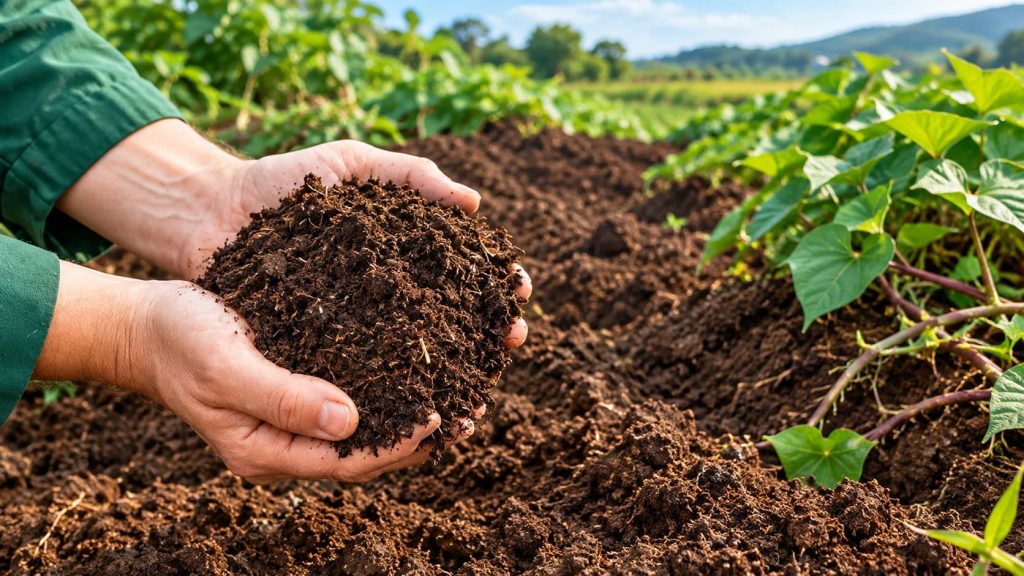
Work several inches of compost or other well-decomposed organic matter into the soil. This can improve soil structure while providing nutrients for young plants.
Lentils generally prefer soil that is close to neutral, with a pH around 6.0 to 7.5. A simple soil test can help determine whether your garden soil needs adjustment.
Avoid using excessive nitrogen fertilizer. Lentils are legumes and can work with beneficial soil bacteria to obtain nitrogen, so too much added nitrogen may encourage leafy growth instead of good pod development.
3. Plant Lentil Seeds
Timing is one of the most important parts of growing lentils successfully. Lentils prefer cool weather and are generally planted in early spring in many temperate regions.
Sow the seeds directly into the garden once the soil can be worked. Plant them about 1 to 1½ inches deep, leaving approximately 2 to 4 inches between seeds.
Rows can be spaced roughly 12 to 18 inches apart. This gives the plants enough room for air circulation and makes it easier to control weeds.
After planting, water the soil gently so the seeds remain in place.
4. Watering Lentil Plants
Young lentil plants need consistent moisture while they are becoming established. Keep the soil evenly moist, but avoid keeping it saturated.
Once the seedlings are growing well, allow the surface of the soil to dry slightly between waterings. Lentils are relatively drought tolerant once established, but prolonged dryness during flowering and pod formation can reduce the harvest.
Water at the base of the plants rather than constantly wetting the foliage. Morning watering is often preferable because it allows excess moisture on the leaves to dry during the day.
5. Provide Support When Needed
Lentil plants are relatively small, but their stems can become somewhat weak as pods develop. Depending on the variety and growing conditions, plants may benefit from light support.
A short trellis, small garden stakes, or simple plant supports can help keep stems upright and pods away from damp soil.
Support is particularly useful in windy gardens or when plants become heavily loaded with pods.
6. Keep Weeds Under Control
Weeds compete with lentil plants for sunlight, water, and nutrients. This competition can be especially damaging while young seedlings are still small.
Remove weeds carefully during the early stages of growth. Hand weeding or shallow cultivation around the plants is usually sufficient.
A thin layer of organic mulch can also help reduce weed growth and maintain more consistent soil moisture. Keep mulch slightly away from the stems to improve air circulation around the base of the plants.
7. Fertilizing Lentils
Lentils usually do not require heavy fertilization. If the soil already contains adequate nutrients and organic matter, additional fertilizer may not be necessary.
If a soil test shows a nutrient deficiency, use a fertilizer appropriate for legumes and follow the product directions carefully.
Avoid repeatedly applying high-nitrogen fertilizer. Excess nitrogen can produce vigorous foliage without necessarily improving pod production.
For gardeners growing lentils for the first time, improving the soil with compost before planting is often a better approach than relying heavily on fertilizer during the growing season.
8. Watch for Common Problems
Lentils are generally straightforward to grow, but several problems can affect them.
Poor drainage is one of the biggest concerns. Waterlogged soil can weaken roots and create favorable conditions for disease.
Gardeners should also watch for aphids and other small insects that may feed on young stems and leaves. Regularly inspect the undersides of leaves and remove affected plant material when practical.
Good spacing, adequate sunlight, proper watering, and good garden sanitation can reduce many common problems.
Avoid working with plants when the foliage is wet, as unnecessary handling can spread some plant diseases.
9. Flowering and Pod Development
Lentil plants produce small flowers before developing their characteristic flat pods. The flowers may be white, pale blue, or another subtle color depending on the variety.
During flowering, consistent moisture becomes particularly important. Severe water stress at this stage can affect pod formation.
After flowering, small pods begin to develop along the stems. Each pod usually contains a small number of lentil seeds.
At this point, continue monitoring moisture and weeds while allowing the pods to mature naturally.
10. Harvesting Lentils
Lentils are usually ready to harvest when the plants begin to turn yellow or brown and the pods become dry.
Reduce watering as the plants approach maturity and allow the pods to dry as much as possible on the plant. If wet weather is approaching, harvest the plants and finish drying them in a protected, well-ventilated location.
Cut or pull the mature plants carefully and place them on a clean surface to dry. Once the pods are completely dry, they can be separated from the plants and opened to collect the seeds.
Store fully dried lentils in an airtight container in a cool, dry place.
Growing Lentils in Containers
You can also grow lentils in containers if garden space is limited. Choose a container that is at least 8 to 12 inches deep and has drainage holes.
Use a well-draining potting mix and place the container in a sunny location. Because containers dry out faster than garden soil, check moisture regularly, particularly during warm weather.
A wider container is useful because lentil plants can be grown in small groups rather than as a single plant.
For gardeners who want more detailed information about soil preparation, planting conditions, maintenance, and harvesting, see this lentil growing guide for a broader overview of growing lentils successfully.
Final Thoughts
Growing lentils at home is a useful project for gardeners interested in adding legumes to their vegetable garden. The plants need a sunny location, well-drained soil, moderate moisture, and a cool growing period to perform well.
The most important steps are preparing the soil before planting, giving seedlings enough space, controlling weeds, avoiding excessive fertilizer, and allowing the pods to dry properly before harvesting. With suitable growing conditions and a little patience, even a small home garden can produce a useful harvest of homegrown lentils.