Chickpeas are easy-to-grow legumes that can be a rewarding addition to a home vegetable garden. Also called garbanzo beans, chickpeas produce small, nutritious seeds inside pods and grow well in areas with plenty of sunlight and a long, relatively dry growing season.
Unlike many vegetables, chickpeas do not need rich or heavily fertilized soil. With the right planting time, well-drained soil, regular watering, and good air circulation, home gardeners can grow a useful crop from a small garden bed.
If you want a broader overview of chickpeas, including their types, nutrition, uses, and growing requirements, see this chickpea growing guide.
1. Choose the Right Location
Chickpeas grow best in a sunny location with good air circulation. Choose a garden area that receives at least 6 hours of direct sunlight each day.
Avoid planting chickpeas in areas where water collects after rain. Excess moisture around the roots can encourage fungal problems and may reduce plant growth.
A good location should have:
- Full sun
- Well-drained soil
- Good air circulation
- Enough space between plants
- No standing water after rainfall
Chickpeas are relatively compact plants, so they can fit well into vegetable gardens and raised beds.
2. Prepare the Soil
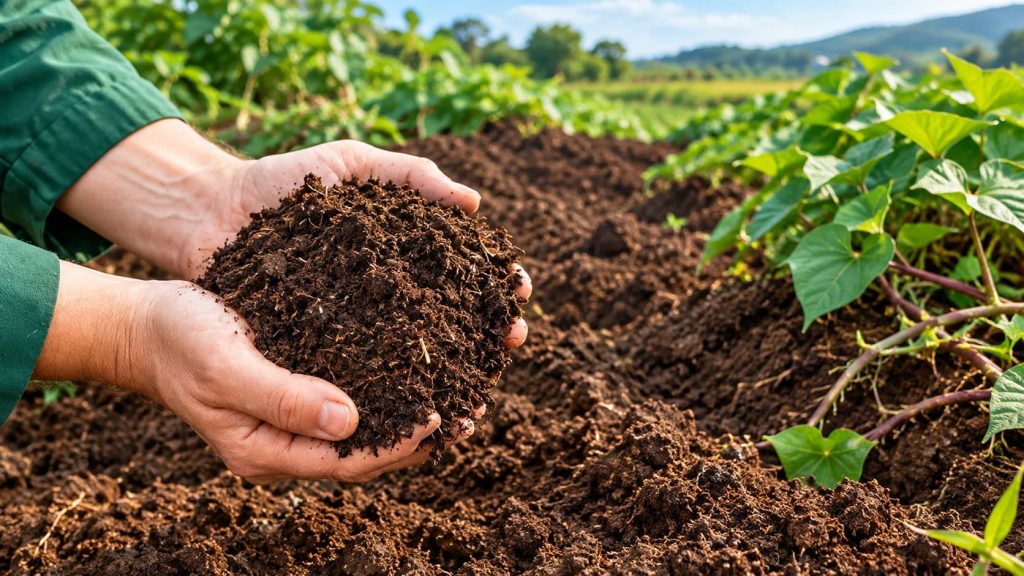
Chickpeas prefer loose, well-drained soil with moderate fertility. They can grow in several soil types, but heavy clay soil should be improved before planting because it can hold too much moisture.
Work several inches of compost into the planting area before sowing. Compost can improve soil structure while providing a moderate supply of nutrients.
Avoid adding excessive nitrogen fertilizer. Like other legumes, chickpeas can work with beneficial soil bacteria to obtain nitrogen from the atmosphere. Too much nitrogen can encourage leafy growth instead of healthy pod production.
A soil pH between about 6.0 and 7.0 is generally suitable for chickpeas.
3. Plant Chickpea Seeds
Chickpeas are normally grown directly from seed rather than transplanted. Their roots can be sensitive to disturbance, so direct sowing is the easiest approach.
Plant chickpea seeds after the danger of severe frost has passed and the soil has begun to warm. Chickpeas prefer cool conditions during the early part of their growth but need a long growing season to mature.
How to Plant
- Loosen the soil to a depth of several inches.
- Make shallow planting holes or furrows.
- Place seeds about 1 to 2 inches deep.
- Space seeds roughly 3 to 6 inches apart.
- Leave about 18 to 24 inches between rows.
- Cover the seeds lightly with soil.
- Water gently after planting.
Germination commonly takes around 7 to 14 days when soil temperatures and moisture levels are suitable.
4. Water Chickpeas Properly
Chickpeas need consistent moisture during germination and early growth. However, they do not perform well in constantly wet soil.
Water deeply when the soil begins to dry rather than giving the plants small amounts of water every day. This encourages the roots to grow deeper into the soil.
During flowering and pod development, plants should not experience prolonged drought. Watering requirements will depend on rainfall, soil type, temperature, and garden conditions.
A layer of organic mulch can help reduce moisture loss and moderate soil temperature. Keep mulch slightly away from the stems to improve air circulation around the base of the plants.
5. Provide Plenty of Sunlight
Chickpeas need plenty of sunlight to produce healthy growth and pods. Aim for at least 6 hours of direct sunlight each day, although more sunlight is often beneficial when temperatures are moderate.
Avoid planting chickpeas directly beside tall crops that can shade them for much of the day. Good sunlight also helps foliage dry more quickly after rain, which can reduce the conditions that favor some fungal diseases.
6. Fertilize Carefully
Chickpeas generally have modest fertilizer requirements. If the soil contains enough organic matter, additional fertilizer may not be necessary.
A soil test can help determine whether nutrients are lacking before planting.
If fertilizer is needed, choose a balanced product and follow its label directions. Avoid heavy applications of nitrogen because excessive nitrogen can produce vigorous foliage without necessarily improving pod production.
Gardeners growing chickpeas for the first time may also consider using a legume-specific inoculant where appropriate. Inoculants contain beneficial bacteria that can help legumes form root nodules and obtain nitrogen.
7. Control Weeds
Young chickpea plants can struggle with weeds because they grow relatively slowly during the early stages.
Keep the area around the plants free from competing weeds, especially while seedlings are becoming established.
Hand weeding is often sufficient for a small home garden. Carefully pull weeds around the plants rather than digging deeply into the soil, which could disturb the chickpea roots.
Mulching around the plants can also help suppress new weeds and reduce soil moisture loss.
8. Watch for Pests and Diseases
Chickpeas are generally fairly resilient, but several pests and diseases can affect them.
Common garden problems include:
- Aphids
- Cutworms
- Caterpillars
- Spider mites
- Fungal diseases
- Root problems caused by overly wet soil
Inspect plants regularly, especially the undersides of leaves and developing pods.
Good garden sanitation and adequate spacing can help reduce disease pressure. Avoid overhead watering when possible, and remove severely affected plant material from the garden.
If you notice a pest problem, identify the pest before choosing a control method. Beneficial insects such as lady beetles and lacewings can also help naturally control some aphid populations.
9. Support Healthy Pod Development
Chickpea plants usually remain relatively short and do not require the same type of support as climbing beans.
During flowering, the plants produce small flowers that eventually develop into pods. Each pod commonly contains one or two chickpeas.
Consistent moisture is particularly important during flowering and pod formation. However, avoid keeping the soil saturated.
Good air circulation is also important because dense, wet foliage can increase the risk of fungal problems.
10. Harvest Chickpeas
Chickpeas can be harvested when the pods are mature and the seeds have developed.
For dry chickpeas, allow the pods and plants to dry naturally toward the end of the growing season. The plants may become yellow or brown as they mature.
Harvest the plants when the pods are dry and the seeds feel firm inside.
How to Harvest Dry Chickpeas
- Pull or cut mature plants from the garden.
- Allow them to dry further in a warm, well-ventilated location if necessary.
- Remove the dried pods.
- Shell the pods to release the chickpeas.
- Allow the seeds to dry completely before storage.
Harvesting should ideally take place during dry weather. Moisture can make drying more difficult and may increase the risk of mold.
11. Store Homegrown Chickpeas
Properly dried chickpeas can be stored for an extended period.
Before storage, make sure the seeds are completely dry. Remove damaged, discolored, or moldy seeds.
Store dried chickpeas in an airtight container in a cool, dry, dark location. Label the container with the harvest date so you can keep track of older seeds.
If you plan to save chickpeas for planting next season, choose healthy, mature seeds from plants that performed well in your garden.
12. Tips for Growing Chickpeas Successfully
Growing chickpeas is relatively simple when the basic growing conditions are right. Keep these tips in mind:
- Choose a location with full sun.
- Use well-drained soil.
- Plant directly from seed.
- Avoid excessive nitrogen fertilizer.
- Keep young plants free from weeds.
- Water consistently without saturating the soil.
- Provide good air circulation.
- Monitor plants regularly for pests.
- Allow dry chickpeas to mature fully before harvesting.
- Make sure seeds are completely dry before long-term storage.
Conclusion
Growing chickpeas at home can be a practical way to add legumes to your vegetable garden. The plants need plenty of sunlight, well-drained soil, moderate fertility, and a sufficiently long growing season to produce mature pods.
The most important part of successful chickpea cultivation is avoiding excessive moisture while keeping plants adequately watered during establishment, flowering, and pod development. With proper planting and basic care, even a small garden can produce a useful harvest of homegrown chickpeas.