One of the biggest secrets to growing a healthy snake plant isn’t fertilizer or expensive pots—it’s choosing the right soil. Snake plants are famous for surviving neglect, but even the toughest houseplant can struggle if its roots stay wet for too long. The wrong potting mix can lead to poor growth, yellow leaves, and root rot, while the right soil allows the roots to breathe, absorb nutrients efficiently, and support vigorous new growth.
Whether you’re planting a brand-new snake plant or repotting an older one, understanding what makes an ideal soil mix will dramatically improve its long-term health.
Why Soil Matters for Snake Plants
Snake plants (Dracaena trifasciata, formerly Sansevieria) naturally grow in dry, rocky environments across tropical West Africa. Their roots are adapted to soils that drain quickly after rainfall rather than remaining constantly moist.
Unlike moisture-loving houseplants, snake plants dislike compact, heavy soil because it traps water around the roots. When excess moisture cannot escape, oxygen levels decrease and fungi begin attacking the root system.
Healthy soil should provide:
- Excellent drainage
- Good airflow around the roots
- Moderate nutrient retention
- Stability for upright leaves
- Fast drying after watering
The closer your potting mix mimics the plant’s natural habitat, the healthier your snake plant will become.
Characteristics of the Ideal Snake Plant Soil
A quality soil mix should never stay soggy for long. Instead, water should move through the container quickly while leaving enough moisture behind for the roots to absorb.
The ideal mix is:
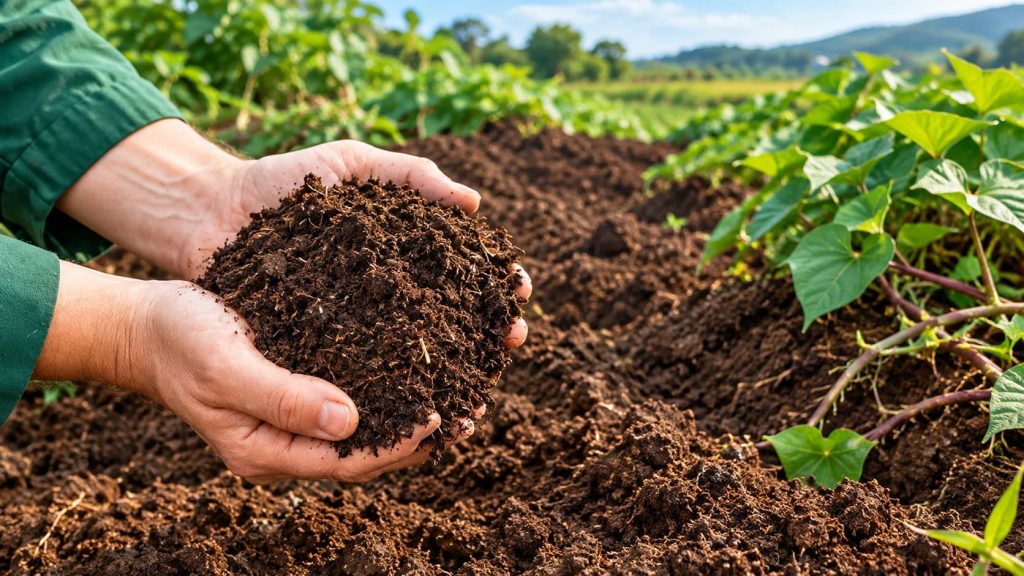
- Loose and airy
- Fast draining
- Slightly gritty
- Rich enough to support growth
- Resistant to compaction
When you squeeze moist soil in your hand, it should crumble apart easily instead of forming a dense clump.
The Best Soil Mix Recipe
If you enjoy making your own potting mix, a simple recipe works extremely well.
Mix together:
- 2 parts cactus or succulent potting mix
- 1 part perlite
- 1 part coarse sand or pumice
This combination creates excellent drainage while still holding enough moisture for healthy root development.
Some experienced growers also add a small amount of orchid bark for even better airflow.
Can You Use Regular Potting Soil?
Yes—but only after improving it.
Standard indoor potting soil usually contains large amounts of peat moss or compost that hold water for long periods.
If you use it alone, the soil may remain wet for several weeks, especially during winter.
To improve regular potting soil, mix in:
- Perlite
- Coarse sand
- Pumice
- Small gravel
- Orchid bark
Adding these materials creates air pockets that help water drain away from the roots.
Best Store-Bought Soil Options
If you prefer ready-made mixes, several types work well.
Cactus and Succulent Mix
This is the easiest option.
Most cactus soils are designed for drought-tolerant plants and already contain sand or perlite for improved drainage.
Indoor Plant Mix with Added Perlite
Some premium indoor mixes perform well after adding extra perlite.
A ratio of roughly 3 parts potting mix to 1 part perlite usually produces excellent results.
Bonsai Soil
Although more expensive, bonsai soil offers outstanding drainage and root aeration.
Many collectors use it for rare snake plant varieties.
Soil pH Requirements
Snake plants prefer slightly acidic to neutral soil.
An ideal pH range is:
6.0–7.5
Fortunately, most commercial cactus mixes already fall within this range.
Unless you’re growing plants professionally, testing soil pH is rarely necessary.
Ingredients That Improve Drainage
Several materials help create healthier soil.
Perlite
Perlite is lightweight volcanic glass.
It improves drainage without adding significant weight.
It also increases oxygen around the roots.
Pumice
Pumice performs similarly to perlite but is heavier.
It stays mixed into the soil better over time.
Coarse Sand
Builder’s sand should be avoided.
Instead, choose horticultural or coarse river sand.
Fine sand may actually reduce drainage by filling air spaces.
Orchid Bark
Chunks of bark increase airflow and slowly decompose over several years.
Many collectors include orchid bark when growing large snake plants.
Soil Ingredients to Avoid
Not every gardening material benefits snake plants.
Avoid using:
- Heavy clay soil
- Garden soil
- Fine beach sand
- Moisture-control potting mixes
- Soil containing water-retaining crystals
These materials stay wet too long and greatly increase the risk of root rot.
Choosing the Right Pot
Even the best soil cannot compensate for a poor container.
Always choose a pot with at least one drainage hole.
Terracotta pots are especially popular because they absorb moisture through the sides, helping soil dry faster.
Plastic pots retain moisture longer, meaning watering intervals should be increased.
A pot only slightly larger than the root ball is usually the best choice.
Oversized containers hold excess soil that stays wet for extended periods.
How Often Should You Replace the Soil?
Fresh soil provides better drainage and nutrients.
Repot most snake plants every two to three years.
Replace the old potting mix if you notice:
- Soil becoming compacted
- Water draining slowly
- White mineral buildup
- Unpleasant odors
- Poor plant growth
Refreshing the soil often restores healthy root development.
Signs Your Soil Is Too Heavy
The soil itself often reveals problems before the plant does.
Warning signs include:
- Water sitting on the surface
- Soil remaining damp for over two weeks
- Mold growth
- Fungus gnats
- Green algae on the soil
- Compacted surface
- Bad smell
If several of these symptoms appear, it’s time to repot using a faster-draining mix.
Fertilizing Healthy Soil
Good soil provides structure more than nutrition.
Snake plants don’t require heavy feeding.
Apply a balanced liquid houseplant fertilizer diluted to half strength once a month during spring and summer.
Do not fertilize during winter when growth naturally slows.
Too much fertilizer can burn the roots and damage the leaves.
Common Soil Mistakes
Many beginners accidentally shorten the life of their snake plant by making simple soil mistakes.
The most common include:
- Using garden soil indoors
- Choosing moisture-retaining potting mixes
- Forgetting drainage holes
- Repotting into a pot that’s too large
- Packing the soil too tightly
- Watering immediately after every repotting
- Never replacing old, compacted soil
Avoiding these mistakes will help your plant grow stronger and remain healthier for years.
Frequently Asked Questions
Can I grow a snake plant in cactus soil alone?
Yes. A quality cactus or succulent mix is one of the best choices for snake plants and usually doesn’t require many additional amendments.
Is sand necessary?
Not always. Perlite or pumice can provide excellent drainage on their own, though coarse sand is a useful addition if used correctly.
Can I use garden soil?
No. Garden soil is generally too dense for indoor containers and often carries pests, weed seeds, or pathogens.
Which pot is best?
Terracotta pots with drainage holes are widely considered the best option because they allow excess moisture to evaporate more quickly.
How can I tell if my soil drains well?
Water should flow out of the drainage holes within a few seconds, and the soil should become dry within one to two weeks under normal indoor conditions.
Final Thoughts
Healthy roots begin with healthy soil. Choosing a loose, fast-draining mix gives your snake plant the environment it naturally prefers and greatly reduces the risk of root rot, pests, and slow growth. Whether you buy a quality cactus mix or create your own blend with perlite, sand, and pumice, investing in the right soil is one of the simplest ways to help your plant thrive for years to come.
With the right soil mix, your snake plant will develop stronger roots, healthier leaves, and enjoy long-term growth with minimal care. For more tips on growing and maintaining snake plants, check out our complete Snake Plant guide.