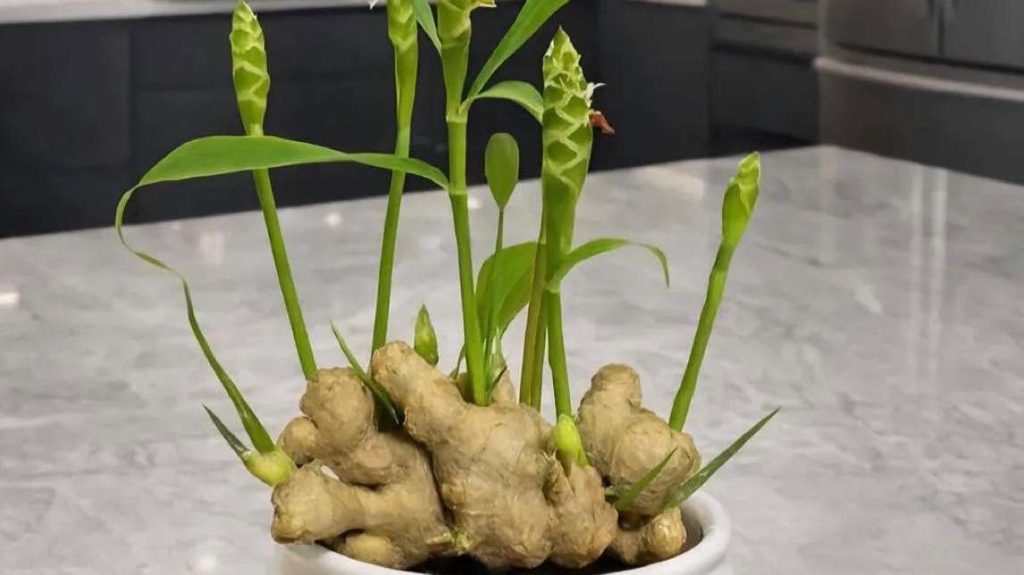
Choosing the right garden bed depth is one of the most important decisions when growing vegetables. If a bed is too shallow, roots may become restricted, leading to slower growth and lower yields. On the other hand, a bed that is deeper than necessary may require more soil and increase costs without providing additional benefits. Understanding how deep a garden bed should be for different vegetables helps you build an efficient, productive garden that supports healthy root development.
Why Garden Bed Depth Matters
Vegetable roots need enough space to spread, absorb water, and access nutrients. Proper bed depth offers several advantages:
- Stronger root systems
- Better drainage
- Improved moisture retention
- Healthier plant growth
- Higher vegetable yields
The ideal depth depends on the type of vegetables you plan to grow.
Standard Garden Bed Depths
Most raised vegetable gardens fall into one of these categories:
6 Inches Deep
A 6-inch bed is suitable for shallow-rooted vegetables and herbs. It is an affordable option for gardeners with limited soil.
Best for:
- Lettuce
- Spinach
- Arugula
- Green onions
- Chives
- Basil
Although these crops can grow well in shallow beds, they will still benefit from rich, loose soil.
12 Inches Deep
A 12-inch garden bed is the most versatile choice for home gardeners.
It supports a wide variety of vegetables, including:
- Tomatoes
- Peppers
- Bush beans
- Cucumbers
- Kale
- Swiss chard
- Broccoli
- Cabbage
For many gardeners, 12 inches provides the best balance between cost and growing performance.
18 Inches Deep
Some vegetables develop large root systems that require additional space.
A bed around 18 inches deep works well for:
- Carrots
- Parsnips
- Potatoes
- Sweet potatoes
- Large tomatoes
- Eggplants
The extra depth also improves drainage in areas with heavy clay soil.
24 Inches or More
Very deep beds are ideal for gardeners who want maximum flexibility.
They are especially useful for:
- Large root vegetables
- Fruiting vegetables
- Perennial herbs
- Deep-rooted crops
Although these beds require more soil, they often produce excellent long-term results.
Recommended Depth by Vegetable
The following guide helps match vegetables with the appropriate bed depth.
Leafy Greens
Recommended depth:
6–8 inches
Examples include:
- Lettuce
- Spinach
- Bok choy
- Arugula
- Mustard greens
These vegetables have relatively shallow roots and mature quickly.
Herbs
Recommended depth:
6–10 inches
Suitable herbs include:
- Basil
- Cilantro
- Parsley
- Dill
- Chives
Woody herbs such as rosemary may appreciate slightly deeper soil.
Tomatoes
Recommended depth:
12–18 inches
Tomatoes develop extensive root systems that benefit from loose, nutrient-rich soil. Deeper beds help plants remain stable while supporting larger harvests.
Peppers
Recommended depth:
12 inches
Peppers grow well in fertile soil with good drainage and consistent moisture.
Cucumbers
Recommended depth:
12–18 inches
Although cucumber roots are not extremely deep, additional soil helps maintain moisture during hot weather.
Beans and Peas
Recommended depth:
8–12 inches
These vegetables generally perform well in medium-depth beds with fertile soil.
Root Vegetables
Recommended depth:
12–18 inches
Examples include:
- Carrots
- Beets
- Radishes
- Turnips
- Parsnips
Loose soil without rocks allows roots to grow straight and evenly.
Potatoes
Recommended depth:
18–24 inches
Potatoes benefit from extra soil because gardeners often hill soil around developing tubers during the growing season.
Soil Quality Is Just as Important
Depth alone does not guarantee healthy vegetables.
Your soil should also provide:
- Plenty of organic matter
- Good drainage
- Balanced nutrients
- Excellent aeration
- A pH between 6.0 and 7.0
Mixing quality compost into the soil each year keeps garden beds productive.
Consider Your Climate
Climate can influence the ideal bed depth.
Hot Climates
Deeper beds retain moisture longer, reducing watering needs during summer.
Cool Climates
Shallower beds warm up more quickly in spring, allowing earlier planting.
Choose the depth that best matches both your crops and local growing conditions.
Can Beds Be Too Deep?
A common misconception is that deeper is always better.
While deep beds provide more growing space, they also require:
- More soil
- Higher construction costs
- Greater initial labor
If you mostly grow lettuce, herbs, and spinach, building a 24-inch-deep bed may not provide enough additional benefit to justify the expense.
Tips for Building the Right Garden Bed
When designing your vegetable garden:
- Match bed depth to the crops you grow most often.
- Use high-quality soil mixed with compost.
- Avoid compacted soil.
- Water consistently.
- Add mulch to retain moisture.
- Refresh the soil with compost each season.
Planning ahead saves money while giving your vegetables the best possible growing conditions.
Final Thoughts
Choosing the correct garden bed depth is an investment that pays off throughout every growing season. Instead of building every bed to the same size, think about the vegetables you plan to grow most often. Shallow-rooted crops like lettuce and herbs can thrive in relatively shallow beds, while tomatoes, peppers, potatoes, and root vegetables reward gardeners with healthier plants and larger harvests when given extra room to develop strong roots. Pairing the proper depth with fertile, well-draining soil creates the ideal growing environment and reduces common problems such as poor drainage, compacted soil, and uneven plant growth.
It’s also worth remembering that healthy garden beds improve over time. Adding compost each season, avoiding soil compaction, and rotating crops will gradually build richer, more productive soil. Even if you’re starting with a simple raised bed, consistent care can turn it into an incredibly fertile growing space that supports abundant harvests year after year. Before beginning your next gardening project, take time to plan the ideal raised bed depth for your vegetables. Matching bed depth to your crops will help maximize root development, simplify maintenance, and give your vegetable garden the strong foundation it needs for long-term success.