Daikon Radish Recipes are an easy way to turn fresh white daikon into delicious, everyday meals. From crisp daikon salads and quick pickles to roasted daikon, comforting soups, and savory stir-fries, these recipes show just how versatile this mild, crunchy root vegetable can be. Whether you’re cooking daikon for the first time or looking for new ways to use a garden harvest, you’ll find simple ideas, helpful cooking tips, and flavorful recipes the whole family can enjoy.
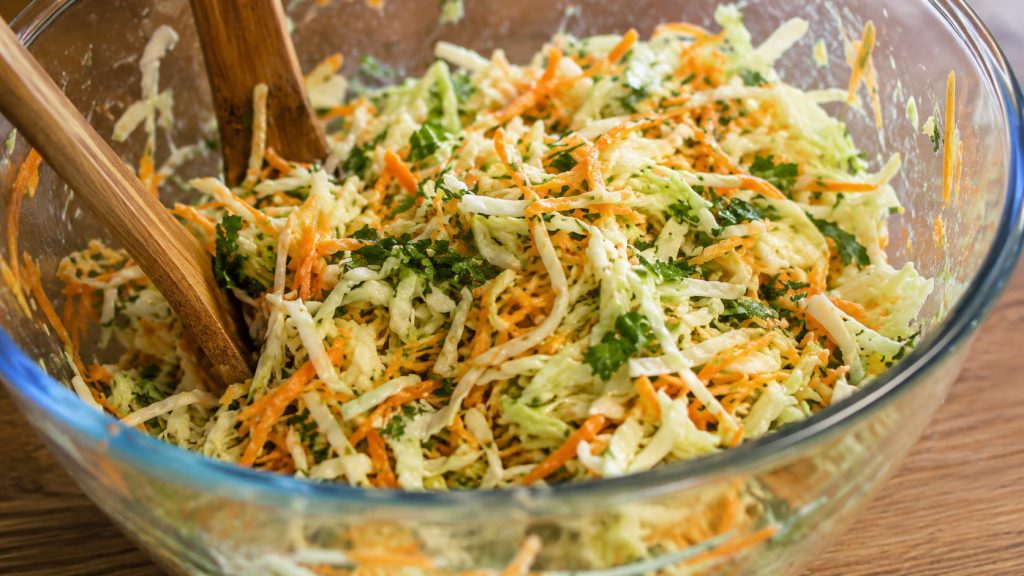
1. Japanese-Style Daikon Salad
This simple daikon salad is one of the easiest ways to enjoy the root while keeping its natural crunch. Thinly sliced daikon pairs beautifully with a light sesame dressing, making this a refreshing side dish for grilled chicken, fish, rice bowls, or sandwiches.
Ingredients
- 2 cups thinly sliced daikon radish
- 1 small carrot, thinly sliced
- 1 tablespoon rice vinegar
- 1 tablespoon soy sauce
- 1 teaspoon sesame oil
- 1 teaspoon honey
- 1 teaspoon toasted sesame seeds
- 1 green onion, thinly sliced
How to Make It
Add the sliced daikon and carrot to a bowl. In a separate small bowl, whisk together the rice vinegar, soy sauce, sesame oil, and honey.
Pour the dressing over the vegetables and toss until everything is evenly coated. Sprinkle with sesame seeds and green onion.
For the best texture, let the salad rest in the refrigerator for about 10 to 15 minutes before serving.
The result is crisp, lightly sweet, tangy, and refreshing. If you like extra crunch, add cucumber or a handful of chopped peanuts.
2. Roasted Daikon Radish
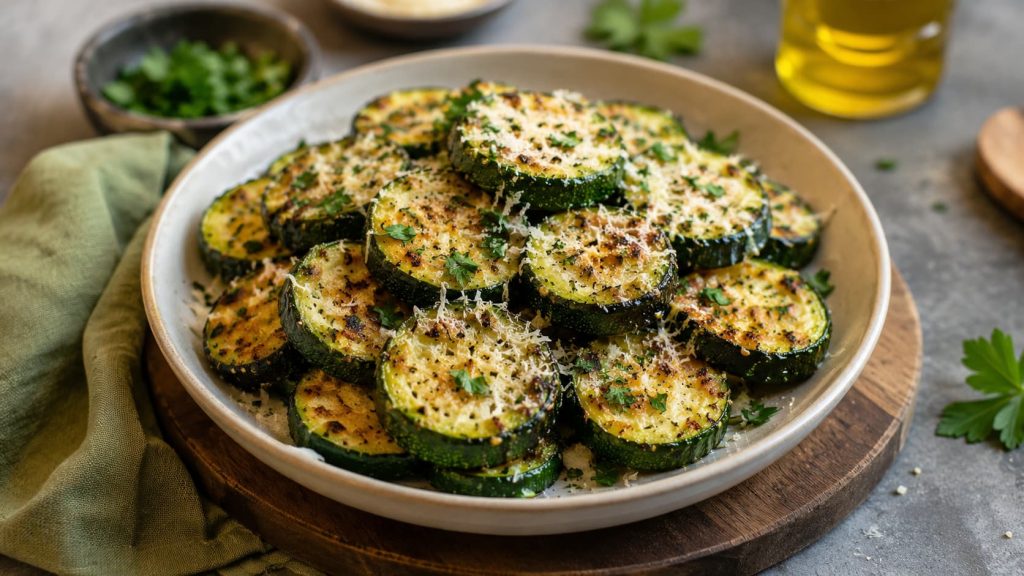
Roasting transforms daikon into something completely different. The sharpness becomes much milder, while the edges turn lightly browned and caramelized.
This is a great recipe for anyone who thinks they do not like radishes.
Ingredients
- 1 large daikon radish
- 1½ tablespoons olive oil
- ½ teaspoon garlic powder
- ½ teaspoon dried thyme
- Salt and black pepper to taste
- 1 tablespoon chopped fresh parsley
How to Make It
Preheat your oven to 425°F.
Peel the daikon and cut it into bite-sized cubes or thick half-moon pieces. Place the pieces on a baking sheet and toss them with olive oil, garlic powder, thyme, salt, and black pepper.
Spread the daikon into a single layer so the pieces have room to roast evenly.
Roast for approximately 25 to 35 minutes, turning once halfway through cooking. The daikon should be tender in the center and lightly browned around the edges.
Finish with fresh parsley before serving.
Roasted daikon works especially well alongside roasted chicken, salmon, steak, or other roasted vegetables. You can also toss it into grain bowls for an easy weeknight meal.
3. Daikon Miso Soup
When the weather turns cold, a warm bowl of daikon miso soup is comforting and easy to prepare. Daikon becomes soft and tender as it simmers, absorbing the savory flavor of the broth.
Ingredients
- 2 cups peeled and thinly sliced daikon
- 4 cups water or low-sodium vegetable broth
- 3 tablespoons white or yellow miso
- ½ cup sliced mushrooms
- 1 green onion, sliced
- ½ cup cubed tofu
- 1 teaspoon grated fresh ginger
How to Make It
Add the broth, daikon, mushrooms, and ginger to a saucepan. Bring the mixture to a gentle simmer and cook for about 10 to 15 minutes, or until the daikon becomes tender.
Reduce the heat.
Place the miso in a small bowl and mix it with a little warm broth until smooth. Stir the mixture back into the pot.
Add the tofu and green onion and warm for another minute or two. Avoid vigorously boiling the soup after adding the miso because gentle heat helps preserve its delicate flavor.
Serve immediately.
For a heartier meal, add noodles, spinach, shredded chicken, or cooked rice.
4. Quick Pickled Daikon
If you want a recipe that takes only a few minutes to prepare, try quick-pickled daikon.
The bright acidity of the pickle balances the mild sweetness and crunch of fresh daikon. It is especially good with sandwiches, burgers, tacos, rice bowls, and grilled meats.
Ingredients
- 2 cups thinly sliced daikon
- ½ cup rice vinegar
- ½ cup water
- 1 tablespoon sugar
- 1 teaspoon salt
- 1 small carrot, julienned
- Optional: thinly sliced jalapeño or fresh ginger
How to Make It
Place the sliced daikon and carrot in a clean glass jar or container.
Combine the rice vinegar, water, sugar, and salt in a small saucepan. Warm gently until the sugar and salt dissolve.
Pour the mixture over the vegetables. Allow everything to cool, then cover and refrigerate.
The pickles can be enjoyed after a few hours, although the flavor becomes more developed after sitting overnight.
Keep them refrigerated and use clean utensils when serving.
These quick pickles add a crisp, tangy element to burgers, sandwiches, rice bowls, and grilled dishes.
5. Daikon and Beef Stir-Fry
For a satisfying dinner, try pairing daikon with thinly sliced beef. Cooking the daikon in a hot skillet gives it a tender texture while allowing it to absorb the savory sauce.
Ingredients
- 1 medium daikon radish
- 8 ounces thinly sliced beef
- 1 tablespoon vegetable oil
- 2 cloves garlic, minced
- 1 teaspoon grated fresh ginger
- 2 tablespoons soy sauce
- 1 tablespoon honey
- 1 teaspoon sesame oil
- 2 green onions, sliced
How to Make It
Peel the daikon and cut it into thin half-moon slices.
Heat the vegetable oil in a large skillet over medium-high heat. Add the beef and cook until lightly browned. Remove the beef from the skillet and set it aside.
Add the daikon to the same skillet. Cook for several minutes, stirring occasionally, until it begins to soften.
Add the garlic and ginger and cook briefly.
Return the beef to the skillet. Add the soy sauce, honey, and sesame oil. Stir everything together and cook until the daikon is tender and the sauce coats the beef.
Top with sliced green onions and serve over steamed rice.
How to Choose a Good Daikon Radish
When shopping for daikon, look for roots that feel firm and heavy for their size. The skin should look relatively smooth and free from major soft spots or damage.
Smaller to medium-sized daikon are often tender and mild, although the ideal size depends on the variety.
If the greens are still attached, they should look fresh rather than wilted.
Once you bring daikon home, remove the leafy tops if you are not planning to use them immediately. Store the root in the refrigerator to help maintain its crisp texture.
Can You Eat Daikon Raw?
Absolutely. Raw daikon is crisp, juicy, and mildly peppery. It can be thinly sliced for salads, shredded into slaws, cut into sticks for dipping, or grated and served alongside cooked dishes.
Cooking changes its flavor and texture. Roasting, simmering, and stir-frying make the root softer and milder, which makes daikon particularly versatile in the kitchen.
Final Thoughts
Daikon radish is much more versatile than it may first appear. Its fresh crunch makes it perfect for salads and quick pickles, while cooking brings out a softer texture and gentler flavor.
Whether you are trying daikon for the first time or have a large harvest from your garden, these five recipes are easy ways to make good use of it. Start with the fresh daikon salad if you want maximum crunch, try roasted daikon for a simple side dish, or make the beef stir-fry when you want something more substantial.
Once you get comfortable cooking with daikon, you may find yourself reaching for this humble white root far more often.