Breadfruit (Artocarpus altilis) is a tropical tree grown for both its nutritious fruit and attractive, broad foliage. When cooked, the starchy flesh becomes soft and filling, with a texture often compared to potatoes or freshly baked bread.
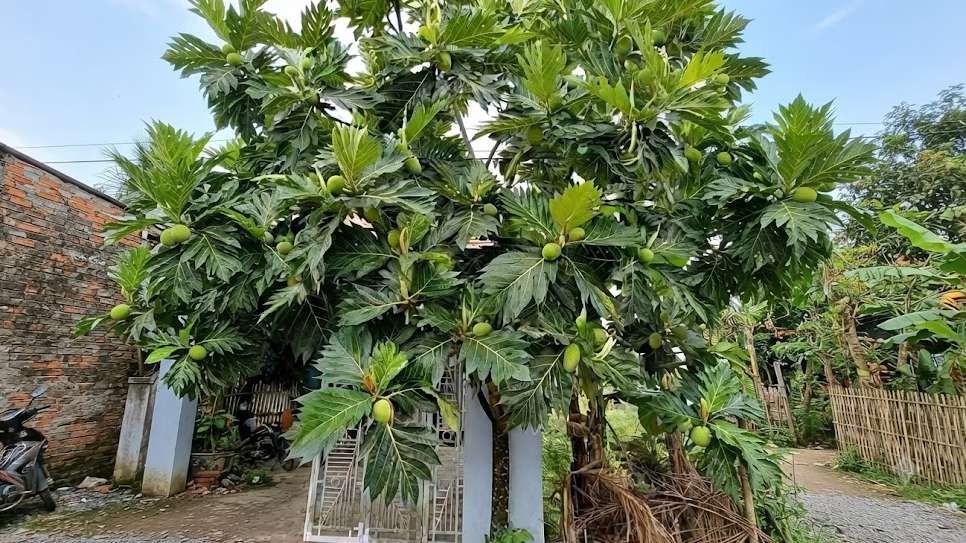
Native to the Pacific region, this long-lived tree is now grown in many warm climates around the world.
With plenty of sunlight, adequate moisture, fertile soil, and enough room to grow, a mature tree can provide welcome shade and a generous harvest for your family to enjoy.
What Is Breadfruit?
Breadfruit is the fruit of Artocarpus altilis, a perennial evergreen tree in the Moraceae family, which also includes jackfruit and figs. Native to the Pacific region, breadfruit is now grown throughout many tropical areas, including Southeast Asia, the Caribbean, Hawaii, and Puerto Rico.
Breadfruit has long been an important staple food in tropical communities. The starchy fruit can be boiled, steamed, baked, roasted, fried, or added to soups and stews. The tree is also valued as a landscape plant because its large, glossy leaves form a broad canopy that provides shade.
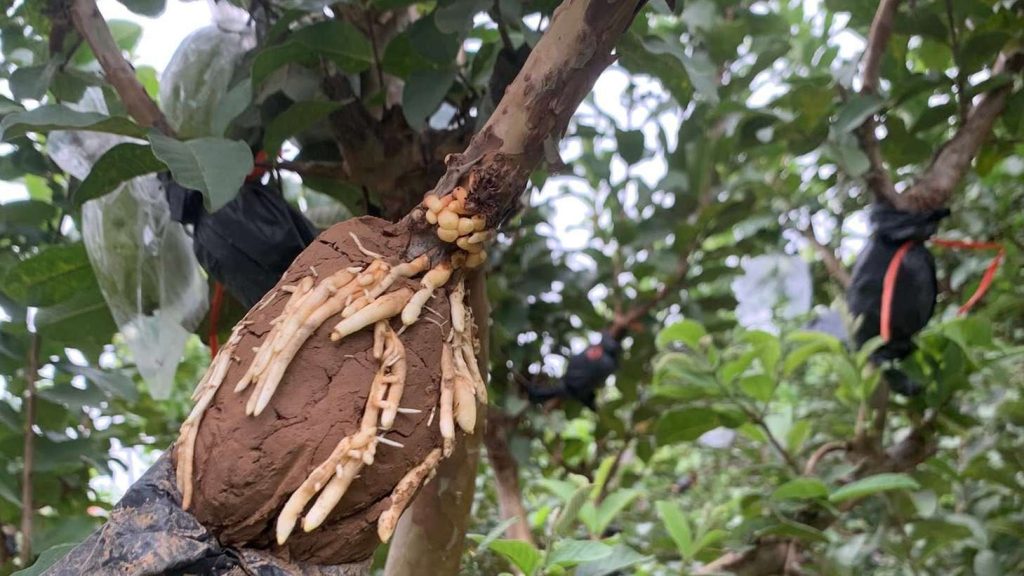
Most cultivated breadfruit varieties are seedless or have very few developed seeds, so vegetative propagation is commonly used to preserve desirable characteristics.
Breadfruit vs. Jackfruit
Breadfruit and jackfruit are close relatives in the Artocarpus genus, so their trees and fruits can look similar. However, breadfruit usually has deeply lobed leaves and smaller, rounder fruits with a smoother, less spiky surface. Jackfruit produces much larger fruits with a more pronounced, spiny rind.
Breadfruit is commonly cooked while green for its soft, starchy texture, while jackfruit is often eaten ripe for its sweet, fragrant flesh. Young jackfruit is also widely used in savory dishes.
Breadfruit Tree Characteristics, Appearance, and Flavor
A mature breadfruit tree can develop into a large, spreading evergreen tree under favorable tropical conditions. Its size depends on the variety, climate, soil, and pruning practices, but some trees can become quite substantial if left unmanaged.
Leaves
The leaves are one of the easiest ways to recognize a breadfruit tree. They are large, dark green, glossy, and deeply lobed. Young trees may produce leaves with different shapes from mature trees, while older trees usually develop the characteristic deeply divided foliage.
The dense leaves give the tree an attractive tropical appearance and provide considerable shade during hot weather.
Fruit
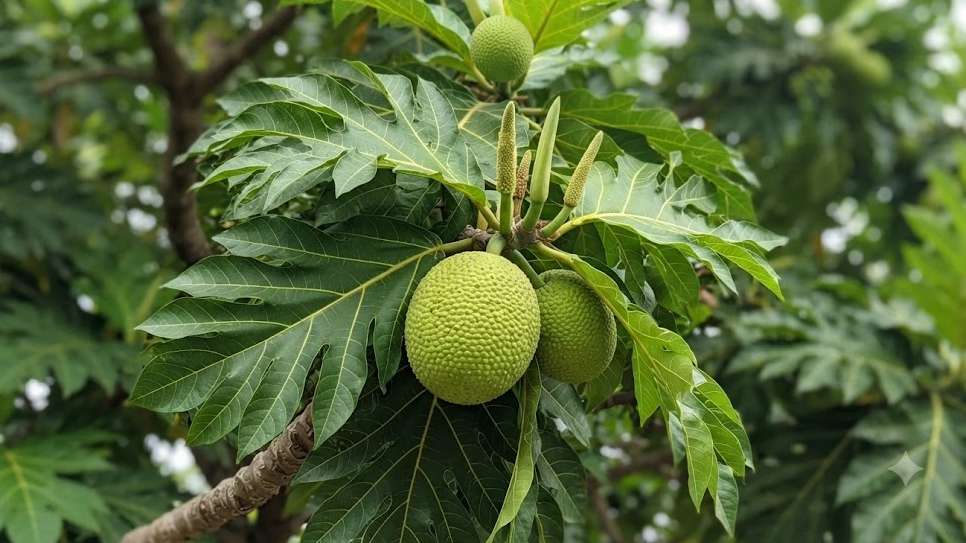
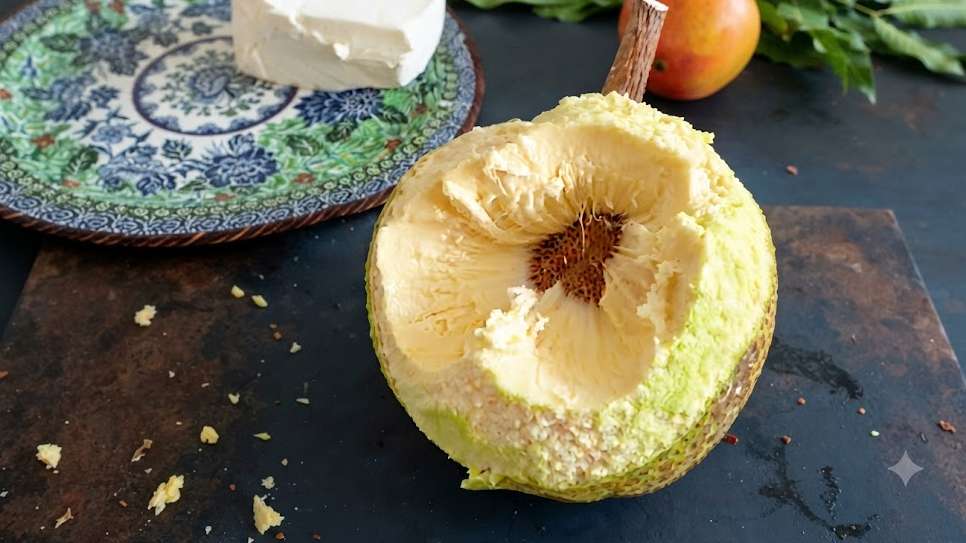
Breadfruit is generally round, oval, or slightly elongated. The green skin has a textured surface covered with numerous small polygonal sections that can resemble immature jackfruit, although breadfruit does not have the large, sharp spines found on jackfruit.
When immature, the flesh is firm, pale, and starchy. As the fruit develops, the texture changes and the fruit becomes softer. Most cooking varieties are harvested while still firm and then cooked before eating.
When cooked properly, breadfruit develops a soft, fluffy texture with a mild, naturally nutty flavor. Many people compare the texture and flavor to a combination of potato, sweet potato, and freshly baked bread. The flavor is generally mild enough to work well with both savory and lightly sweet preparations.
Flowers
Breadfruit produces separate male and female flower structures on the same tree. The male flowers develop in elongated clusters, while the female flowers form larger rounded structures that eventually develop into the familiar fruit.
Fruiting Time and Suitable Climate
Breadfruit is best suited to tropical and warm subtropical environments. It performs particularly well where temperatures remain warm throughout most of the year and where the tree receives plenty of sunlight.
A general temperature range of about 68°F to 95°F (20°C to 35°C) is favorable for active growth. Young trees can be sensitive to cold, and prolonged exposure to low temperatures can slow growth or cause damage.
Breadfruit generally prefers:
- Full sun to light partial shade when young
- Warm temperatures throughout the growing season
- Consistent moisture
- Well-drained, fertile soil
- Protection from prolonged cold
- Good air circulation around the canopy
The soil should hold enough moisture to support vigorous growth but drain excess water quickly. Sandy loam, loam, and other loose soils with good organic matter are generally suitable.
Breadfruit can tolerate some coastal conditions and moderate salt exposure better than many fruit trees, but prolonged waterlogging is a major concern. Poor drainage can encourage root problems and weaken the tree.
Under favorable conditions, vegetatively propagated trees may begin producing fruit in roughly 2 to 3 years, although timing varies by variety and growing conditions. Trees grown from seed can take considerably longer, often around 5 to 6 years or more, and seedlings may not produce fruit identical to the parent tree.
How to Plant and Care for Breadfruit Trees
Choosing a Variety and Propagation Method
If your goal is reliable fruit production, start with a healthy tree from a reputable nursery whenever possible. Vegetative propagation, including root cuttings and other methods used for selected varieties, helps preserve desirable characteristics from the parent plant.
Seed propagation is possible for seeded breadfruit types, but it is less suitable when you want an exact copy of a productive parent tree.
Preparing the Planting Hole
Choose a sunny location with plenty of room for the mature canopy. Breadfruit should not be planted too close to buildings, underground utilities, or other large trees.
A planting hole around 24 × 24 × 24 inches (60 × 60 × 60 cm) provides a useful starting point for establishing a young tree. Improve poor soil with mature organic matter rather than creating a small pocket of very rich soil surrounded by compacted ground.
If the soil is heavy clay or drains poorly, improving drainage should be a priority before planting.
Watering
Young breadfruit trees need consistent moisture while their root systems are becoming established. Water deeply when the upper soil begins to dry rather than giving the tree frequent, shallow watering.
During hot or dry periods, mature trees may also need supplemental irrigation, particularly when flowering and developing fruit.
A layer of organic mulch around the root zone can help conserve moisture and moderate soil temperature. Keep mulch several inches away from direct contact with the trunk.
Fertilizing
Breadfruit grows vigorously when provided with fertile soil. A balanced fertilizer or well-aged organic compost can be used according to soil conditions and the product label.
Avoid excessive nitrogen because very rapid leafy growth is not necessarily beneficial for fruit production. Maintaining balanced nutrition is more useful than simply pushing the tree to grow as quickly as possible.
Pruning
Pruning is especially useful when growing breadfruit in a home garden. Remove dead, damaged, diseased, or crossing branches and gradually shape the canopy while the tree is young.
Controlling excessive height makes harvesting much easier and reduces the need to climb the tree. Light, regular pruning is generally preferable to removing large amounts of wood at once.
Common Pests and Diseases
Breadfruit is generally a hardy tropical tree, but pests and diseases can develop when trees are stressed or grown in poor conditions.
Borers and Fruit Pests
Borers may damage trunks and branches, while other insects can attack developing fruit. Check regularly for holes, damaged bark, sawdust-like material, or unusual spots. Remove badly damaged plant parts and keep the area around the tree clean. Traps or biological pest-control products may help when needed.
Root Rot
Root rot is more likely in poorly drained or constantly wet soil. Improve drainage, avoid overwatering, and plant breadfruit in loose soil that allows excess water to drain away.
Mealybugs and Scale Insects
Mealybugs and scale insects may appear on young shoots, leaves, or developing fruit. Inspect the tree regularly, particularly around new growth.
For light infestations, physical removal, insecticidal soap, or horticultural oil may help when used according to the product label. Encouraging beneficial insects and avoiding unnecessary broad-spectrum pesticides can also support a healthier garden ecosystem.
Harvesting Breadfruit
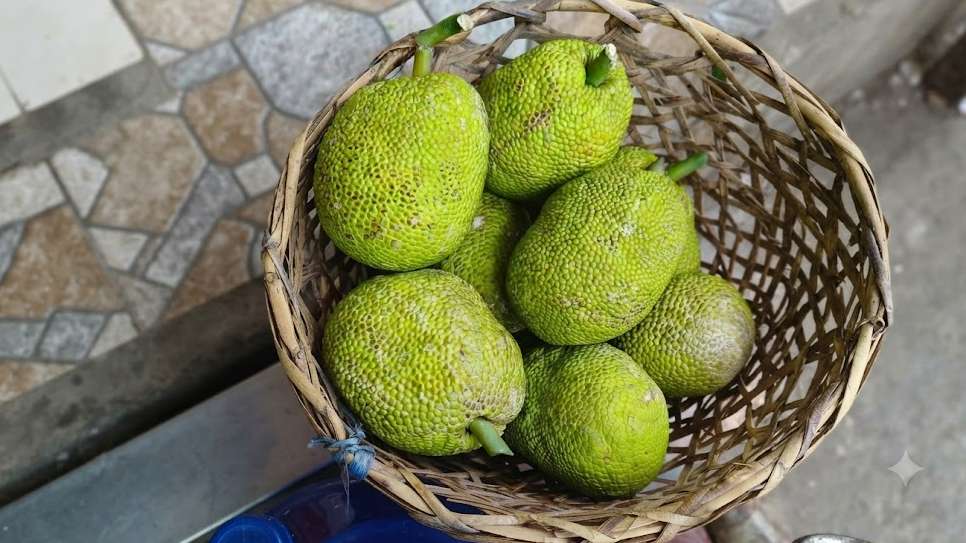
Breadfruit is usually harvested while the fruit is still firm and slightly immature, especially when it will be cooked. As it approaches harvest, the skin may become lighter green, the surface sections become more pronounced, and the fruit feels fuller.
Sticky latex is another useful indicator. The amount and appearance of latex can change as the fruit reaches the preferred harvest stage.
Use a sharp knife or pruning tool for reachable fruit. For fruit growing high in the canopy, a harvesting pole with a collection basket can help prevent bruising. Handle harvested breadfruit gently because damaged areas can darken quickly.
How to Prepare and Use Breadfruit
Breadfruit is highly versatile in the kitchen. Most cooking varieties are prepared while firm rather than eaten like a soft dessert fruit.
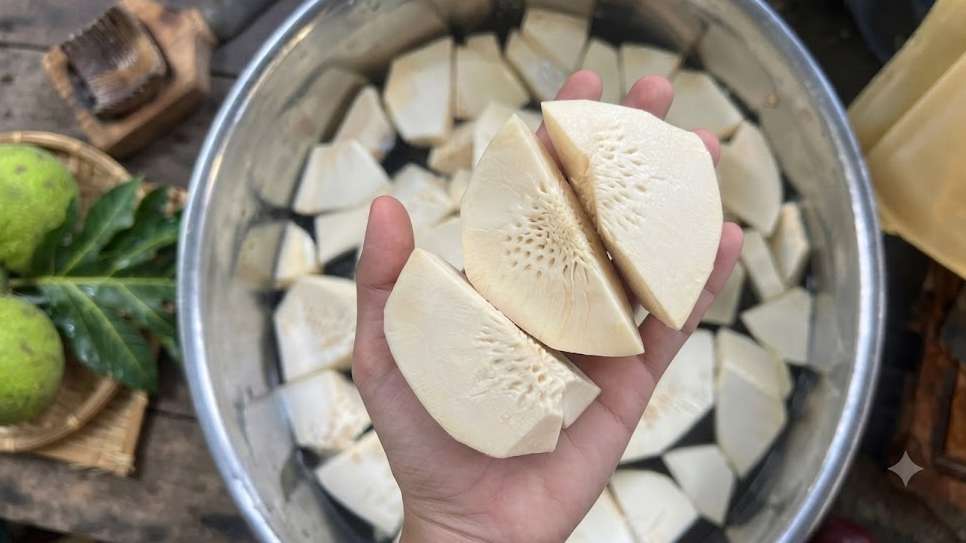
Before cutting, some cooks apply a little cooking oil to the knife and hands because the latex can be sticky. The fruit can then be peeled and cut into sections.
Soaking cut pieces briefly in lightly salted water or water with lemon juice can help reduce surface darkening and remove some of the sticky latex.
Fried Breadfruit
One of the simplest preparations is fried breadfruit. Cut the peeled fruit into thin slices or wedges, season as desired, and fry until the outside becomes golden and crisp while the inside remains tender.
The finished pieces can have a texture somewhat similar to fried potatoes.
Boiled or Stewed Breadfruit
Breadfruit can be boiled until tender and served as a side dish. It can also be added to soups and stews, where its starchy texture helps create a filling meal.
It pairs well with meat, seafood, vegetables, herbs, and savory sauces.
Roasted or Baked Breadfruit
Roasting or baking brings out a deeper flavor and softens the flesh. Whole or large sections can be cooked until tender, then peeled and served with seasonings.
Breadfruit can also be mashed or incorporated into recipes where potatoes or other starchy vegetables are traditionally used.
Nutritional Value and Potential Benefits
Breadfruit is a starchy, filling food that provides carbohydrates, dietary fiber, vitamin C, potassium, and other nutrients. Its nutritional value can vary depending on the variety and how it is prepared.
Because breadfruit can be boiled, baked, roasted, fried, or processed into flour and chips, it is a versatile staple in many tropical food systems. The fruit also has growing potential for local food businesses and value-added products.
As a perennial tree, breadfruit can provide food for years while also adding shade and organic matter to the garden. It can be a useful part of tropical home gardens and diversified food-growing systems.
Breadfruit can contribute to a balanced diet, but it should be considered a nutritious food rather than a treatment or cure for any health condition.
Final Thoughts
Breadfruit is much more than an unusual tropical fruit. It is a long-lived tree that can provide food, shade, and landscape value while fitting naturally into tropical and warm-climate gardens.
Its large leaves, distinctive fruit, productive potential, and versatility in the kitchen make it especially interesting for home gardeners who have enough space and a suitable climate.
Successful cultivation mainly comes down to providing warmth, sunlight, fertile but well-drained soil, adequate moisture, and sensible pruning. Once established, a healthy breadfruit tree can become a valuable part of a home orchard for many years.
Frequently Asked Questions About Breadfruit
Does breadfruit have seeds?
Most cultivated breadfruit varieties are seedless, although some traditional varieties contain seeds.
Can breadfruit latex cause skin irritation?
Yes. Fresh latex may irritate sensitive skin. Wear gloves when peeling or cutting breadfruit.
How can I store breadfruit longer?
Peel, cut, and remove the core. Blanch briefly, cool, and freeze in airtight bags for later use.