Winged beans are a unique vegetable with crisp pods, a mild flavor, and a satisfying texture. They are popular in many Asian dishes and can be prepared in several simple ways. Fresh young pods work especially well in stir-fries, soups, salads, and quick side dishes.

How to Choose Fresh Winged Beans
Before cooking, choose winged bean pods that are young, firm, and brightly colored. Fresh pods should feel crisp when gently pressed and should not have soft or darkened areas.
Younger pods are usually more tender and easier to eat. Older pods may develop a tougher texture and more noticeable fibers.
After harvesting or buying winged beans, rinse them thoroughly under cool running water. Pat them dry with a clean towel before cutting.
Trim both ends of the pods with a knife. You can then slice them into small pieces, cut them diagonally, or leave smaller pods whole depending on the recipe.
Should You Boil Winged Beans Before Cooking?
You do not always need to boil winged beans before cooking. Young, tender pods can be cooked directly in a skillet, wok, or pan.
However, briefly blanching them can soften the pods and create a more tender texture. Bring a pot of water to a boil, add the cleaned winged beans, and cook them briefly.
Transfer the pods to cold water afterward to stop the cooking process. Drain them well before using them in salads or other dishes.
For stir-fries and quick sautés, skipping this step can save time and help preserve the crisp texture.
Stir-Fried Winged Beans
Stir-frying is one of the easiest ways to prepare winged beans. The high heat cooks the pods quickly while keeping them slightly crisp.
Cut the winged beans into bite-sized pieces. Heat a little cooking oil in a wok or large skillet, then add minced garlic and cook briefly until fragrant.
Add the winged beans and stir continuously for several minutes. Season with a small amount of soy sauce, salt, or another seasoning you enjoy.
You can also add sliced carrots, mushrooms, onions, bell peppers, or other vegetables to make a colorful mixed vegetable dish.
Avoid cooking the pods for too long. They are usually more enjoyable when they remain slightly crunchy.
Sautéed Winged Beans With Garlic
For a quick side dish, try sautéing winged beans with garlic.
Heat a small amount of oil in a skillet over medium-high heat. Add chopped garlic and cook until fragrant. Add sliced winged beans and sauté until they become bright, tender, and slightly crisp.
Season with salt and black pepper. A small squeeze of lemon or lime juice at the end can add freshness and balance the flavor.
This simple preparation works well when you want a vegetable side dish that takes only a few minutes to make.
Winged Bean Salad
Young winged beans can also be used in fresh or lightly cooked salads.
Because raw pods can be quite firm, blanching them briefly is a good way to make them more tender while keeping their crisp texture.
After blanching, cool and drain the pods thoroughly. Slice them into thin pieces and combine them with ingredients such as tomatoes, cucumbers, carrots, onions, or fresh herbs.
For a simple dressing, combine lime juice, a little oil, salt, and pepper. You can also use a light sesame or peanut-based dressing for an Asian-inspired salad.
Keep the dressing light so the fresh flavor and texture of the winged beans remain noticeable.
Winged Beans in Soup
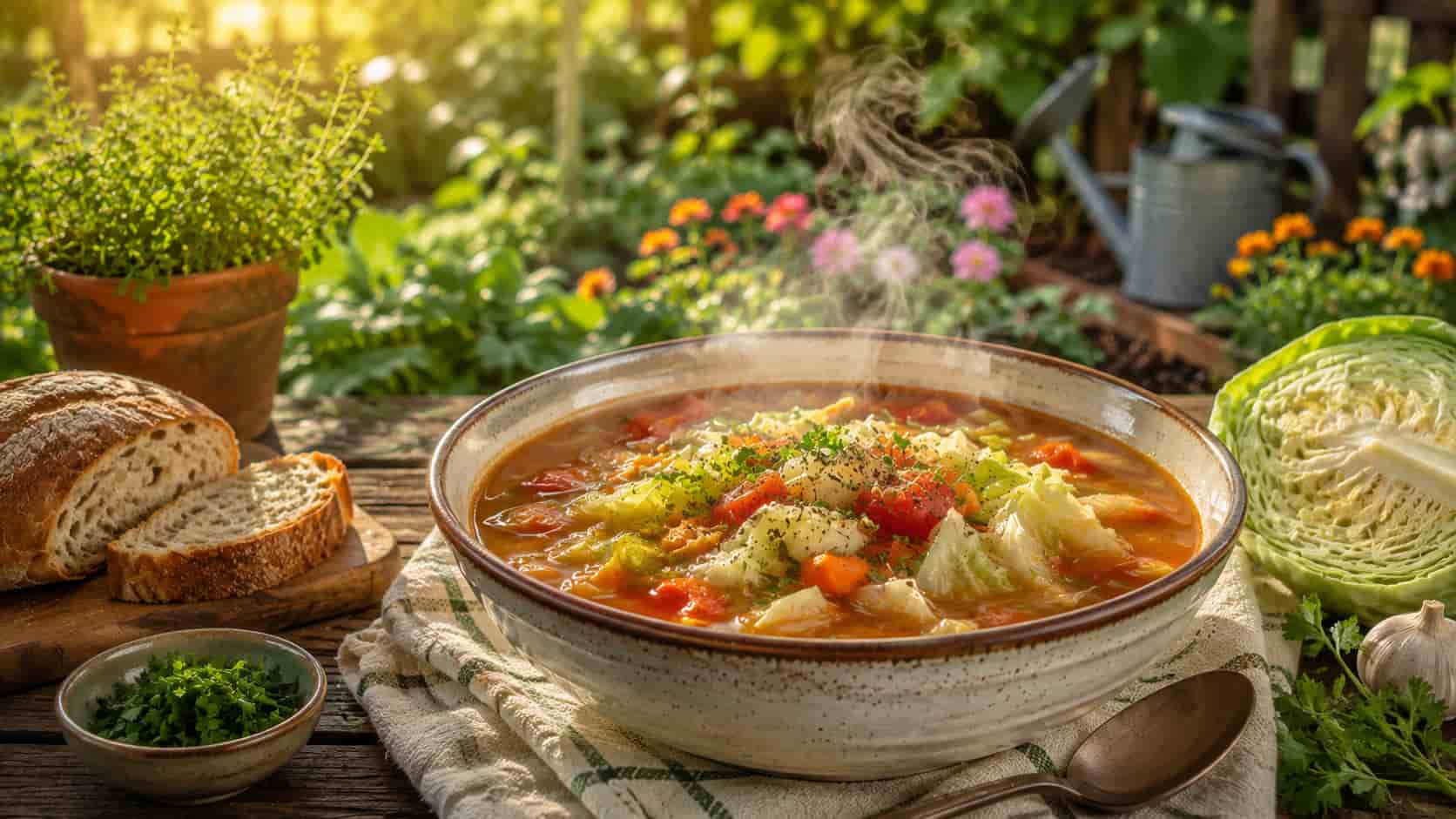
Winged beans can add texture and nutrients to vegetable soups and broths.
Cut the pods into bite-sized pieces and add them toward the later part of cooking. This helps prevent them from becoming excessively soft.
They pair well with tomatoes, onions, garlic, mushrooms, carrots, squash, and leafy greens. You can also add beans or other vegetables to make the soup more filling.
For a simple vegetable soup, sauté onions and garlic first, add broth and vegetables, then add winged beans near the end. Simmer until the pods are tender but still have some texture.
Cooking Winged Beans With Eggs
Winged beans and eggs make a quick breakfast or light meal.
Slice the pods thinly and sauté them with a little oil until they begin to soften. Add beaten eggs and gently stir everything together.
Season with salt and pepper. You can also add chopped onions, tomatoes, garlic, or green onions.
The result is a simple vegetable-and-egg dish that works well with rice or toast.
Grilled or Roasted Winged Beans
Young winged bean pods can also be cooked over high heat.
Toss clean pods with a small amount of oil, then place them on a grill or roasting pan. Cook until they become tender and develop lightly browned areas.
Because winged beans are relatively thin, they can cook quickly. Keep an eye on them to prevent burning.
After cooking, season with salt, pepper, garlic, lemon juice, or your favorite herbs.
Grilled winged beans make an easy side dish for other vegetables, rice, or grilled foods.
How to Cook Winged Bean Seeds
Winged bean seeds are different from young pods and require a longer cooking time.
When using mature dried seeds, they should be properly prepared and cooked until tender. Like other dried beans, soaking can help reduce cooking time and improve their texture.
Cook the seeds thoroughly before eating. They can be used in soups, stews, curries, and other dishes where cooked beans are appropriate.
If you are unfamiliar with mature winged bean seeds, start with small amounts and use them as you would other cooked legumes.
Tips for Better-Tasting Winged Beans
The most important tip is to avoid overcooking young pods. Excessive cooking can make them soft and reduce their pleasant crunch.
Cut the pods into similar-sized pieces so they cook evenly. Use high heat for stir-frying and keep the cooking time relatively short.
Garlic, ginger, lime juice, chili, soy sauce, sesame oil, and fresh herbs all pair nicely with winged beans. You can adjust the seasonings depending on whether you want an Asian-inspired dish, a simple vegetable side, or a fresh salad.
Freshly harvested pods generally provide the best texture, so use them soon after harvesting whenever possible.
Final Thoughts
Winged beans are a versatile vegetable that can be prepared in many simple ways. You can stir-fry, sauté, blanch, grill, roast, or add them to soups and salads depending on the texture and flavor you prefer.
For the best results, choose young and tender pods, clean them well, and avoid overcooking. Once you become familiar with their crisp texture and mild flavor, winged beans can become a useful addition to everyday meals.
If you want to learn more about growing this unique vegetable, check out our guide to growing winged beans at home for practical tips on planting, soil preparation, watering, trellis support, and harvesting fresh winged beans.