
If you have never used fresh pandan leaves before, you may wonder what they actually taste and smell like. The first thing you notice is usually the fragrance rather than the taste. Fresh pandan has a soft, sweet aroma that can make a simple pot of rice smell surprisingly good.
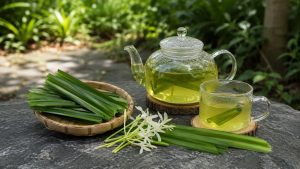
I especially like using fresh leaves because the fragrance feels natural and gentle. You don’t need a lot of them to make a noticeable difference in a dish.
Pandan is often used in Southeast Asian cooking, particularly in rice dishes, desserts, drinks, and coconut-based recipes. Once you have a few fresh leaves available, there are plenty of simple ways to use them in the kitchen.
What Do Pandan Leaves Taste Like?
Pandan leaves have a mild, slightly sweet flavor, but their aroma is much stronger than their actual taste.
When cooked, the leaves can give food a soft floral and grassy flavor with a subtle sweetness. Some people find the fragrance reminds them of vanilla, while others notice a slightly nutty or coconut-like quality.
It is difficult to compare pandan directly with another ingredient because its aroma is quite distinctive.
If you smell a fresh pandan leaf, you may notice the fragrance immediately. But if you taste a raw leaf, you won’t get the same pleasant experience. The leaves are tough and fibrous, so they are generally used to flavor food rather than eaten like a vegetable.
The real magic happens when the leaves are warmed or cooked.
What Do Fresh Pandan Leaves Smell Like?
The fragrance is probably the best-known feature of pandan.
Fresh leaves have a sweet, green, tropical scent. When you place them into a warm pot of rice, the aroma slowly spreads through the kitchen.
For me, this is one of the nicest things about cooking with fresh pandan. You don’t need complicated seasonings. A few leaves can make plain rice smell completely different.
The fragrance can also become more noticeable when the leaves are bruised, cut, or tied into a knot before cooking.
How to Use Fresh Pandan Leaves
Using pandan leaves is actually very simple.
First, rinse the leaves under clean running water to remove dirt or dust.
You can then use them whole, cut them into smaller pieces, tie them into a knot, or blend them with water depending on the recipe.
For dishes such as rice, I usually prefer tying several leaves into a loose knot. This keeps them together and makes them easy to remove after cooking.
If you are making pandan juice, the leaves can be chopped and blended with water before being strained.
There is no need to make the process complicated. The method depends mostly on what you are cooking.
Using Pandan Leaves in Sticky Rice
Sticky rice is one of the simplest ways to enjoy pandan.
You can add several washed pandan leaves to the rice while it cooks or steams. Tying the leaves into knots makes them easier to remove later.
As the rice becomes hot, the leaves release their fragrance.
If you are making sweet sticky rice, pandan works especially well with coconut milk and sugar. The combination creates a soft, fragrant dessert without needing a strong artificial flavor.
You can also use pandan when cooking plain rice if you simply want to add a gentle aroma.
Using Pandan in Desserts
Pandan and desserts are a natural combination.
Fresh pandan can be used in coconut desserts, puddings, cakes, sweet rice dishes, and many traditional Southeast Asian sweets.
One simple method is to make pandan juice by blending fresh leaves with water and then straining the mixture.
The green liquid can be added to a dessert mixture to provide both fragrance and a natural green color.
You don’t necessarily need a large amount. Start with a small quantity and adjust it based on how strong you want the pandan flavor to be.
Pandan is usually at its best when it supports the other ingredients rather than completely covering them.
Using Pandan in Drinks
You can also use pandan leaves to make fragrant drinks.
One easy method is to simmer washed pandan leaves in water for several minutes. The water gradually takes on the aroma of the leaves.
You can drink it warm or let it cool and serve it over ice.
Pandan also pairs nicely with coconut, so you can experiment with a small amount of pandan-infused water and coconut water.
Some people add sugar, while others prefer the drink lightly sweetened.
The important thing is not to make it too complicated. Fresh pandan already provides most of the character.
Can You Eat Pandan Leaves?
Pandan leaves are generally used for their fragrance rather than eaten directly.
The leaves are long, tough, and fibrous, which makes them unpleasant to chew.
When cooking rice or another dish, you can simply remove the leaves before serving.
If you blend pandan leaves to make pandan juice, strain the mixture carefully to remove the fibrous plant material.
This is why pandan is often compared to ingredients such as bay leaves. You add the leaves during cooking to give the food flavor and aroma, then remove them before eating.
Fresh Pandan vs. Frozen Pandan
Fresh pandan leaves are wonderful if you have access to them, but frozen leaves can also be useful.
Frozen pandan is convenient because you can keep it available for cooking even when you don’t have fresh leaves.
The fragrance may be a little different after freezing, but the leaves can still work well in rice dishes, desserts, and drinks.
If you have a pandan plant growing at home, however, it is hard to beat the convenience of fresh leaves.
You can simply cut two or three leaves when you need them instead of buying a whole package.
That’s one reason growing pandan successfully can be so rewarding for anyone who enjoys cooking with the leaves.
How Many Pandan Leaves Should You Use?
There is no exact amount that works for every recipe.
For a pot of rice, a few leaves are often enough to provide a noticeable fragrance.
For pandan juice, you may need more leaves because you are extracting their color and aroma into water.
I recommend starting with less rather than using too much.
Fresh pandan has a fairly distinctive fragrance, and it can become quite strong when concentrated.
Once you have cooked with it a few times, you’ll get a better idea of how much you personally like.
A Simple Way to Prepare Pandan Leaves
When I bring fresh pandan leaves into the kitchen, I usually keep the preparation simple.
I rinse the leaves well, trim off any damaged sections, and decide how I want to use them.
For rice, I tie several leaves into a knot.
For drinks or pandan juice, I cut the leaves into smaller pieces before blending or simmering.
If I am making a dessert, I follow the recipe and adjust the amount of pandan based on how strong I want the fragrance.
There is really no need for special equipment unless you are making pandan juice, in which case a regular kitchen blender is enough.
How to Store Fresh Pandan Leaves
If you harvest or buy more leaves than you need, don’t leave them exposed to dry air for too long.
Wrap the leaves loosely in a clean, slightly damp paper towel and place them in a sealed bag or container in the refrigerator.
This can help keep them fresh for longer.
You can also freeze pandan leaves if you have a large supply. Wash and dry them first, then place them in a freezer-safe bag.
Frozen leaves can be taken out whenever you need a few for cooking.
My Favorite Way to Use Pandan
For me, one of the easiest ways to appreciate pandan is to use it with rice.
There is something satisfying about taking a few fresh leaves from the garden, rinsing them, tying them into a knot, and placing them in the pot.
As the rice cooks, the fragrance slowly fills the kitchen.
You don’t need a complicated recipe or a long list of ingredients.
Sometimes, simple cooking is the best way to appreciate an ingredient.
Once you become familiar with the aroma of pandan, you’ll probably start finding other dishes where you want to try it.
Final Thoughts
So, what do pandan leaves taste like?
Their flavor is mild, slightly sweet, floral, and green, but their fragrance is much more noticeable than their taste. The leaves are usually used to infuse food with their aroma rather than eaten directly.
You can use fresh pandan in sticky rice, desserts, drinks, coconut-based dishes, and many other recipes.
The easiest method is often the best: wash the leaves, tie them into a knot, add them to the dish while it cooks, and remove them before serving.
If you have fresh pandan growing at home, you can enjoy this wonderful fragrance whenever you cook. A few leaves can turn an ordinary dish into something that smells warm, fresh, and distinctly tropical.