Corned Beef and Cabbage is one of those comforting meals that makes the whole kitchen feel warm and inviting. I still remember the first time I made it, with corned beef brisket, fresh cabbage, potatoes, carrots, and onions simmering together in one pot. As the savory aroma filled the house, I knew dinner was going to be special. This classic American comfort food is simple to prepare, hearty, and perfect for a cozy family dinner or a relaxed weekend meal.
1. What Is Corned Beef and Cabbage?
Corned beef and cabbage is a classic one-pot meal made with cured beef brisket, cabbage, potatoes, carrots, and onions. The corned beef is slowly simmered in water or broth until it becomes tender enough to slice easily.
The word “corned” does not refer to corn. Instead, it comes from the large grains of salt historically used to cure the beef. Today, corned beef is typically sold as a cured brisket, often with a seasoning packet containing spices such as mustard seeds, coriander, bay leaves, and peppercorns.
As the beef cooks, it releases its savory flavor into the broth. The vegetables are added at different stages so they become tender while still keeping their shape and texture.
2. Ingredients for Corned Beef and Cabbage
This recipe makes approximately 6 servings.
For the Main Dish
- 3 to 4 pounds corned beef brisket
- 1 medium head green cabbage
- 1 ½ pounds small red potatoes or Yukon Gold potatoes
- 4 large carrots
- 1 large yellow onion
- 3 to 4 cloves garlic
- 1 bay leaf
- 1 teaspoon black peppercorns
- 1 teaspoon mustard seeds, optional
- 4 to 6 cups water or low-sodium beef broth
- 1 tablespoon olive oil or butter, optional
- Salt, only if needed
- Fresh parsley for garnish, optional
If your corned beef comes with a seasoning packet, you can use it instead of adding your own spices.
3. How to Prepare the Ingredients
Before cooking, rinse the corned beef brisket under cool water to remove some of the excess surface salt. Pat it dry with paper towels.
You can leave the fat cap on while cooking because it helps keep the meat moist and flavorful. After cooking, the fat can be trimmed away before serving.
Wash the potatoes thoroughly. Small potatoes can be left whole, while larger potatoes should be cut into halves or quarters.
Peel the carrots and cut them into large pieces. Cut the onion into wedges and lightly crush the garlic cloves.
Remove any damaged outer leaves from the cabbage. Cut the cabbage into large wedges, keeping a little of the core attached so the pieces hold together during cooking.
4. How to Cook Corned Beef and Cabbage on the Stovetop
Step 1: Start With the Corned Beef
Place the corned beef brisket in a large Dutch oven or heavy pot, fat side up. Add the seasoning packet, bay leaf, garlic, black peppercorns, and mustard seeds if using.
Pour in enough water or beef broth to almost cover the meat. You do not necessarily need to completely submerge the brisket.
Bring the liquid to a gentle boil over medium-high heat. Once it begins boiling, reduce the heat to low and cover the pot.
The key is to keep the meat at a gentle simmer rather than a rapid boil. Slow cooking helps the brisket become tender and flavorful.
Step 2: Simmer Until Tender
Cook the corned beef for approximately 2 ½ to 3 ½ hours, depending on the size and thickness of the brisket.
Check the pot occasionally and make sure there is enough liquid. Add a little more water or broth if necessary.
The corned beef is ready when it is fork-tender and can be pierced easily with a fork. For the best texture, avoid relying only on cooking time. The tenderness of the meat is a better indicator of doneness.
Step 3: Add the Potatoes, Carrots, and Onion
Once the beef has been cooking for a while and is beginning to become tender, add the potatoes, carrots, and onion to the pot.
Arrange the vegetables around the corned beef so they can cook in the flavorful broth.
Cover the pot again and continue simmering for about 20 to 30 minutes, or until the vegetables are tender when pierced with a fork.
Adding the vegetables later in the cooking process helps prevent them from becoming overly soft.
Step 4: Add the Cabbage
Add the cabbage wedges during the final 15 to 20 minutes of cooking.
The cabbage should become tender but still retain some structure. If you prefer very soft cabbage, you can cook it a little longer.
Taste the broth before adding any salt. Corned beef is already cured with salt, so the cooking liquid may be flavorful enough without additional seasoning.
Step 5: Rest and Slice the Beef
Carefully remove the corned beef from the pot and place it on a cutting board. Let it rest for approximately 10 to 15 minutes before slicing.
This resting period allows the juices to settle, making the meat easier to slice.
For the most tender result, identify the direction of the muscle fibers and slice the beef against the grain. Cutting against the grain shortens the muscle fibers and makes each slice easier to chew.
5. How to Make Corned Beef and Cabbage in a Slow Cooker
A slow cooker is another easy way to prepare this classic meal.
Place the potatoes, carrots, onion, and garlic in the bottom of the slow cooker. Put the corned beef brisket on top of the vegetables, then add the seasoning packet and enough water or broth to create a flavorful cooking environment.
Cover and cook on LOW for approximately 8 to 9 hours, or until the beef is tender.
Add the cabbage during the final 1 to 2 hours of cooking. This gives the cabbage enough time to soften without becoming excessively mushy.
Once everything is tender, remove the beef and let it rest before slicing against the grain.
Slow cooking is particularly convenient when you want to prepare dinner in advance. The long cooking time allows the connective tissue in the brisket to soften gradually, resulting in tender meat.
6. Tips for the Best Corned Beef and Cabbage
Don’t Boil the Beef Too Aggressively
A gentle simmer is better than a rapid boil. Cooking the brisket slowly helps it become tender and flavorful.
Cut the Vegetables Into Large Pieces
Large chunks of potatoes, carrots, and cabbage are less likely to fall apart during the cooking process.
Add Vegetables at Different Times
Not every vegetable requires the same cooking time. Potatoes and carrots generally need more time than cabbage, so adding them in stages helps everything finish at the right texture.
Slice the Beef Against the Grain
This is one of the most important steps for tender slices. Look for the direction of the muscle fibers and cut perpendicular to them.
Be Careful With Salt
Because corned beef is cured, it can already contain plenty of salt. Taste the broth before adding extra seasoning.
Let the Meat Rest
Resting the cooked brisket before slicing helps keep the meat moist and makes it easier to cut cleanly.
7. What to Serve With Corned Beef and Cabbage
Corned beef and cabbage is already a complete meal, but you can serve it with a few simple sides.
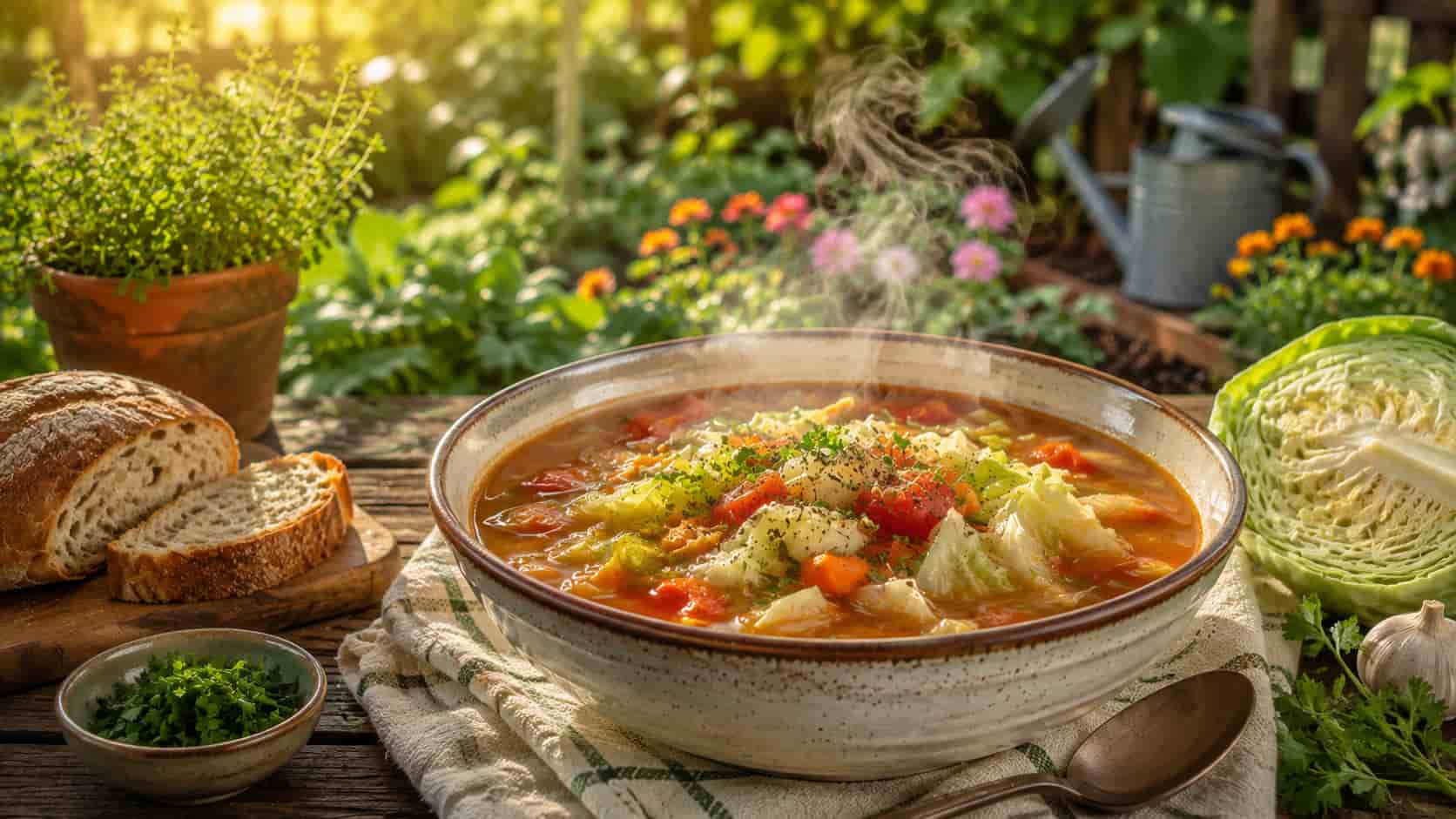
A slice of crusty bread is excellent for soaking up the savory cooking broth. Irish soda bread is another popular choice if you want to create a more traditional-style meal.
You can also serve the dish with prepared mustard, horseradish sauce, or a simple creamy mustard sauce. The sharp flavor of mustard pairs particularly well with the rich, salty beef.
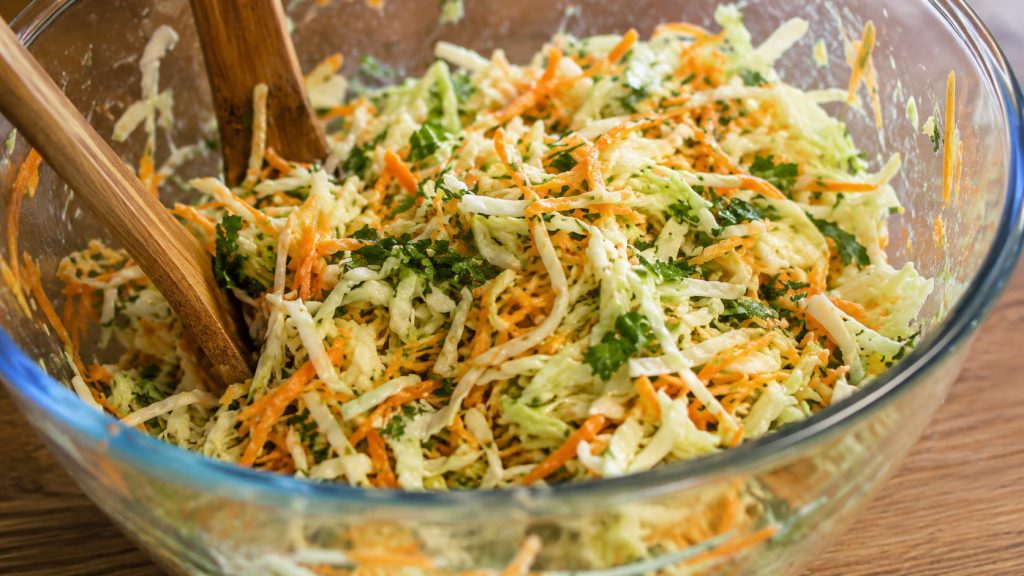
For a lighter option, serve the meal with a simple green salad or roasted vegetables.
8. How to Store Leftover Corned Beef and Cabbage
Allow leftovers to cool before transferring them to airtight containers. Store the cooked beef and vegetables in the refrigerator and use them within a few days.
Leftover corned beef can also be sliced and used in sandwiches, especially with mustard and cheese. You can chop the meat and potatoes to make corned beef hash for breakfast or a quick lunch.
If you have a large amount of leftover corned beef, you can freeze it in airtight freezer-safe containers. For the best texture, slice or portion the beef before freezing so you can thaw only what you need.
9. Frequently Asked Questions
Do You Rinse Corned Beef Before Cooking?
Rinsing the brisket under cool water can help remove some surface salt. This is especially useful if you prefer a milder flavor. However, avoid soaking it for an excessively long time unless the package instructions recommend it.
How Long Does Corned Beef Take to Cook?
A 3- to 4-pound brisket commonly takes around 2 ½ to 3 ½ hours to simmer on the stovetop. Cooking time varies depending on the size and thickness of the meat, so tenderness is the best guide.
When Should I Add Cabbage?
Cabbage usually needs about 15 to 20 minutes to become tender. Add it toward the end of the cooking process to prevent it from becoming too soft.
Can I Use a Different Type of Cabbage?
Green cabbage is the traditional choice, but you can experiment with other varieties. Savoy cabbage can also work well because of its tender leaves and mild flavor.
What Is the Best Way to Slice Corned Beef?
Let the cooked beef rest for about 10 to 15 minutes, then slice it against the grain. Thin or medium-thick slices are ideal for serving.
10. Final Thoughts
Corned beef and cabbage is a comforting, flavorful meal that is surprisingly simple to prepare. The combination of tender cured beef, buttery potatoes, sweet carrots, savory onions, and soft cabbage creates a satisfying one-pot dinner for any occasion.
For the best results, cook the corned beef slowly, add the vegetables at the appropriate time, and always slice the meat against the grain. Whether you prepare it on the stovetop or in a slow cooker, this classic recipe is an easy way to bring a hearty homemade meal to the dinner table.
Once you master the basic recipe, leftovers can be transformed into sandwiches, breakfast hash, or other quick meals, making corned beef and cabbage a practical choice when you want a dish that can be enjoyed for more than one meal.