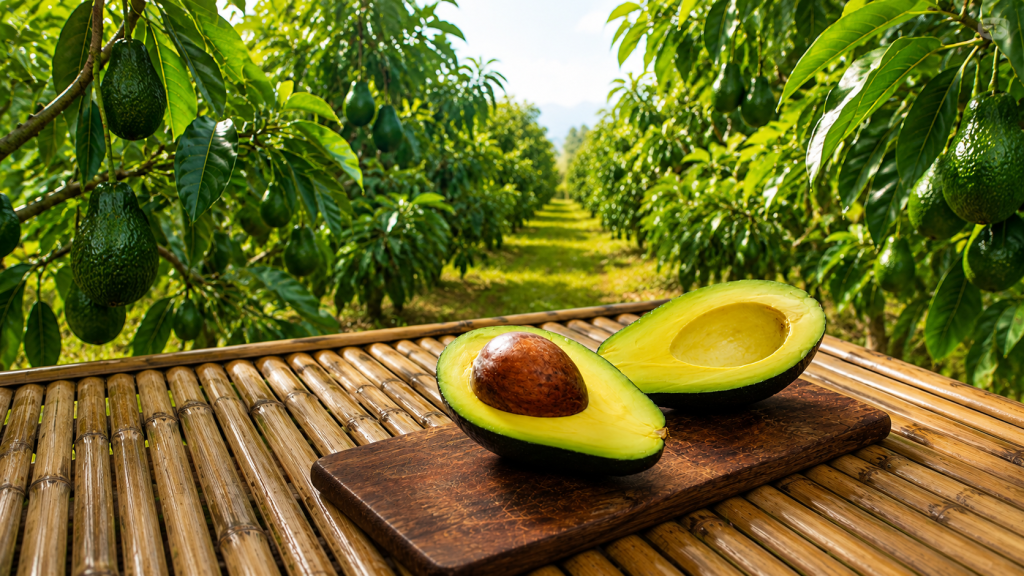
Avocado is a creamy, nutrient-rich fruit enjoyed around the world for its mild flavor and smooth texture. Unlike many fruits, avocados are naturally rich in healthy unsaturated fats, making them a popular ingredient in salads, sandwiches, smoothies, and dips. They are also versatile in the garden, although growing an avocado tree successfully requires the right climate, well-drained soil, and consistent care.
Whether you want to learn more about avocado nutrition, discover delicious ways to eat it, or grow your own avocado tree, this guide covers the essentials—from planting and care to harvesting, storage, and common pests.
Table of Contents
- 1. What Is an Avocado?
- 2. Avocado Characteristics and Origin
- 3. Avocado Nutrition and Flavor
- 4. How to Eat Avocado and Popular Avocado Recipes
- 5. How to Grow and Care for Avocado Trees
- 6. How to Harvest and Store Avocados
- 7. Common Avocado Pests and Diseases
- 8. Conclusion
- Frequently Asked Questions About Avocado
1. What Is an Avocado?
Avocado is the fruit of the avocado tree (Persea americana), an evergreen tree in the Lauraceae family. The fruit has a large central seed surrounded by creamy green flesh and a skin that varies in color and texture depending on the variety.
The most widely known type is Hass avocado, recognized by its dark, pebbly skin and rich, creamy flesh. Other varieties include Fuerte, Reed, Bacon, and Zutano, each with differences in size, skin texture, flavor, and growing characteristics.
Although avocado is botanically a fruit, it is often used in savory dishes because of its mild taste and creamy texture. It can be eaten fresh, mashed into dips, blended into smoothies, or added to salads and sandwiches.
2. Avocado Characteristics and Origin
Avocado trees are evergreen plants that can grow into large trees under suitable conditions. They have broad green leaves, small flowers, and pear-shaped, oval, or round fruits depending on the variety.
Avocados originated in the highlands of south-central Mexico and surrounding regions of Central America. They have been cultivated for thousands of years and later spread to many parts of the world with suitable warm climates.
Today, avocados are grown commercially in countries including Mexico, the United States, Peru, Colombia, Chile, and several other tropical and subtropical regions.
Avocado trees prefer warm conditions and protection from severe frost. They grow best in full sun and well-drained soil. Although mature trees can become quite large, dwarf or grafted varieties may be more suitable for smaller home gardens.
3. Avocado Nutrition and Flavor
Avocados are known for their distinctive nutritional profile. Unlike most fruits, they contain relatively high amounts of fat, primarily monounsaturated fat. They also provide dietary fiber and a variety of vitamins and minerals.
According to USDA FoodData Central, avocado provides nutrients including fiber, potassium, folate, vitamin K, vitamin E, and vitamin C. The exact nutritional content varies depending on the variety and serving size.
Avocado is also valued for its creamy texture and mild, slightly nutty flavor. A ripe avocado should feel soft but not excessively mushy. The flesh is usually pale green to yellow-green and has a smooth, buttery consistency.
Because of its nutrient content and versatility, avocado can be a useful addition to a balanced diet. However, it is also relatively calorie-dense, so portion size can be considered as part of an overall balanced eating pattern.
Nutrition reference: USDA FoodData Central provides detailed nutrient information for raw avocado.
4. How to Eat Avocado and Popular Avocado Recipes
One of the easiest ways to eat avocado is simply to cut it in half, remove the seed, and scoop out the flesh. You can add a little lemon or lime juice and season it with salt and pepper.
Avocado is also a popular ingredient in many everyday dishes.
Avocado toast: Mash ripe avocado onto toasted bread and add toppings such as tomatoes, eggs, or herbs. Link: How to Make Avocado Toast
Guacamole: Mash avocado with ingredients such as lime juice, onion, tomato, cilantro, and seasonings.
Avocado salad: Add sliced or cubed avocado to salads with leafy greens, tomatoes, cucumber, or other vegetables.
Avocado smoothie: Blend ripe avocado with milk or a plant-based alternative and fruit for a creamy drink.
Sandwiches and wraps: Add avocado slices for a creamy texture and mild flavor.

How to Choose a Ripe Avocado
A ripe avocado generally gives slightly when gently pressed. Avoid squeezing too hard because this can bruise the flesh. Depending on the variety, the skin may darken as the fruit ripens, although color alone is not always a reliable indicator.
If an avocado is firm, leave it at room temperature for a few days until it softens. Once ripe, it can be refrigerated to slow further ripening.
5. How to Grow and Care for Avocado Trees
Growing an avocado tree can be rewarding, but success depends heavily on climate and soil conditions.
Choose the Right Location
Plant avocado trees in a location that receives full sun for most of the day. Choose a site protected from strong winds and extreme cold.
Avocado trees need excellent drainage. Waterlogged soil can damage roots and increase the risk of root diseases. Avoid planting in areas where water collects after heavy rain.
Planting an Avocado Tree
For the best results, start with a healthy grafted tree from a reputable nursery. Grafted trees generally produce fruit earlier and more reliably than trees grown from seeds.
Dig a planting hole that is at least as wide as the root ball. Place the tree so the top of the root ball is level with or slightly above the surrounding soil. Backfill with the original soil and water thoroughly.
Do not bury the trunk deeply, as excessive moisture around the trunk can encourage disease.
Watering
Young avocado trees need regular watering while establishing their root systems. Water deeply, then allow the soil to dry slightly before watering again.
The exact schedule depends on soil type, rainfall, temperature, and tree age. The goal is to maintain adequate moisture without keeping the soil constantly saturated.
Fertilizing
Avocado trees benefit from balanced nutrition, particularly during active growth. Use a fertilizer formulated for fruit trees or avocado trees and follow the product label carefully.
Avoid excessive fertilizer application, especially around young trees.
Growing Avocado From Seed
It is possible to grow an avocado tree from a seed, but seed-grown trees may take many years to produce fruit. The resulting fruit may also differ from the fruit of the parent tree.
For home gardening, growing from seed can be an enjoyable experiment. For reliable fruit production, a grafted nursery tree is generally a better choice.
Propagating Avocado From Cuttings
Avocado trees can also be propagated from cuttings, although this method is generally more challenging than growing from seed. A healthy cutting is taken from a vigorous parent tree and encouraged to develop roots under warm, humid conditions. If successful, the new plant will retain the genetic characteristics of the parent tree.
For home gardeners, propagating avocado from cuttings can be an interesting way to produce new plants, but rooting success may vary depending on the avocado variety and growing conditions. For faster and more reliable fruit production, grafted avocado trees are usually preferred because they combine a productive variety with a suitable rootstock.
When starting an avocado tree from a cutting, choose healthy, disease-free material and provide a warm environment with good humidity and a well-drained rooting medium. Once the cutting has developed a strong root system, it can gradually be acclimated before planting outdoors.
6. How to Harvest and Store Avocados
Avocados are unusual because they often mature on the tree but do not fully soften until after they are harvested.
Harvest timing varies by variety. Mature fruit should have reached the appropriate size and development stage for that cultivar. If you are unsure, harvest one fruit and allow it to ripen indoors to test its quality.
Use clean pruning shears or a suitable harvesting tool to cut the fruit from the tree. Handle avocados carefully because bruising can reduce storage quality.
How to Ripen Avocados
Place firm avocados at room temperature. To speed up natural ripening, place them in a paper bag with a ripe banana or apple.
Once an avocado is ripe, store it in the refrigerator to slow further ripening.
How to Store Cut Avocado
Cut avocado can be stored in an airtight container in the refrigerator. Applying a small amount of lemon or lime juice to the exposed flesh may help reduce browning, although some discoloration can still occur.
For longer storage, avocado flesh can also be mashed and frozen for later use in smoothies, dips, and recipes.
7. Common Avocado Pests and Diseases
Avocado trees can be affected by several pests and diseases, especially when growing conditions are poor.
Aphids: These small insects feed on plant sap and may cause distorted or weakened new growth. Encourage beneficial insects and use appropriate control methods when necessary.
Thrips: Thrips can damage young leaves and developing fruit. Regularly inspect new growth and monitor plants for signs of infestation.
Mites: Some mites feed on leaves and can cause discoloration or damage. Keeping trees healthy and monitoring regularly can help reduce problems.
Scale insects: These pests attach themselves to stems and leaves and feed on plant sap. Natural predators and horticultural oils may help manage infestations when used appropriately.
Root rot: Poor drainage and excessive moisture can create serious problems for avocado roots. Planting in well-drained soil and avoiding overwatering are important preventive measures.
Good garden hygiene is an important part of avocado pest management. Remove severely damaged plant material, keep the growing area clean, monitor trees regularly, and encourage beneficial insects. When pest control is necessary, integrated pest management (IPM) methods should be prioritized.
8. Conclusion
Avocado is a versatile fruit with a creamy texture, mild flavor, and valuable nutritional profile. It can be enjoyed in simple meals such as avocado toast and salads or used to make guacamole, smoothies, and other dishes.
Growing an avocado tree requires patience, especially when starting from seed. With full sun, well-drained soil, proper watering, and regular care, avocado trees can become productive additions to suitable home gardens.
Whether you are interested in eating avocado, learning about its nutrition, or growing your own tree, understanding how to choose, care for, harvest, and store this unique fruit can help you get the most from it.
Frequently Asked Questions About Avocado
- Is avocado a fruit or a vegetable? Avocado is botanically classified as a fruit because it develops from the flower of the avocado tree and contains a seed.
- Is avocado healthy? Avocado provides fiber, monounsaturated fat, potassium, folate, and several vitamins and minerals. It can be included as part of a balanced diet.
- How do you know when an avocado is ripe? A ripe avocado usually gives slightly when gently pressed. Ripening characteristics can vary among varieties, so firmness is often more useful than skin color alone.
- Can you grow an avocado tree from a seed? Yes. An avocado seed can be germinated and grown into a tree. However, seed-grown trees may take many years to produce fruit, and the fruit may not be identical to the parent plant.
- How long does an avocado tree take to produce fruit? The time varies depending on the variety and growing method. Grafted avocado trees generally produce fruit sooner than trees grown from seeds.