Have you ever bought a beautiful mango, only to find that it is still hard and not ready to eat? If you are wondering, how do you ripen mangoes faster, the good news is that there are several simple ways to help mangoes ripen at home.
Mangoes are tropical fruits that continue to ripen after they are picked from the tree. This means you can buy firm mangoes and allow them to ripen naturally in your kitchen. With the right conditions, you can often speed up the process while helping the fruit develop a sweeter flavor and softer texture.
In this guide, we will explain how to ripen mangoes faster, how to tell when a mango is ripe, which methods work best, and how to store mangoes once they are ready to eat.
Can You Ripen Mangoes Faster?
Yes, you can encourage mangoes to ripen faster by keeping them at room temperature and using methods that help trap naturally produced ripening gases around the fruit.
One of the easiest methods is placing mangoes in a paper bag. You can also place them together with another ripe fruit, such as a banana or apple, which can help create a ripening environment.
However, it is important to understand that you cannot instantly ripen an unripe mango. The fruit still needs time to go through its natural ripening process.
The goal is to create conditions that encourage the mango to ripen efficiently.
How Long Does It Take for a Mango to Ripen?
The time required for a mango to ripen depends on several factors, including the variety of mango, how mature it was when harvested, and the temperature of your home.
A firm mango may take several days to become fully ripe at room temperature.
Some mangoes may ripen relatively quickly, while others may take longer.
The best approach is to check the mango every day rather than relying only on a specific number of days.
As the mango ripens, you may notice changes in its texture, aroma, and sometimes its skin color.
7 Easy Ways to Ripen Mangoes Faster
If you want to know how do you ripen mangoes faster, here are seven simple methods you can try at home.
1. Place Mangoes in a Paper Bag
One of the simplest methods for ripening mangoes faster is to place them inside a paper bag.
Put the mangoes into a clean paper bag and loosely fold the top.
The paper bag helps create a warmer, enclosed environment around the fruit while still allowing some airflow.
Check the mangoes once or twice a day. When they begin to soften and develop a pleasant fruity aroma, they may be ready to eat.
Avoid sealing the bag completely with plastic or placing the mangoes in an airtight container, as excessive moisture can contribute to spoilage.
Why Does the Paper Bag Method Work?
Ripening fruits naturally produce ethylene, a plant hormone involved in the ripening process.
A paper bag helps keep some of this gas closer to the fruit, which may encourage faster ripening.
This method is simple, inexpensive, and does not require any special equipment.
2. Add a Ripe Banana or Apple
If you want to speed up the paper bag method, you can place a ripe banana or apple in the same bag as the mangoes.
Ripe fruits produce ethylene, which can help encourage other fruits to ripen.
Place the mango and a ripe banana or apple together in a paper bag. Fold the top loosely and leave it at room temperature.
Check the fruit regularly.
This method can be particularly useful when you have mangoes that are very firm and you want them to ripen more quickly.
Remember that different fruits ripen at different speeds, so monitor everything in the bag to prevent over-ripening.
3. Keep Mangoes at Room Temperature
If you do not need your mangoes to ripen immediately, simply leaving them at room temperature may be enough.
Place the mangoes in a bowl or on a kitchen counter away from direct sunlight and excessive heat.
Avoid placing unripe mangoes in the refrigerator because cold temperatures can slow the ripening process.
Room temperature allows the natural ripening process to continue.
This method may take longer than using a paper bag, but it is one of the easiest options.
4. Use a Warm, Dry Location
Temperature plays an important role in how quickly fruit ripens.
If your kitchen is relatively cool, mangoes may take longer to soften.
You can place them in a warm area of your home, but avoid extreme heat or direct sunlight.
A moderately warm location can help support the natural ripening process.
Do not place mangoes next to a heater, oven, or other source of intense heat. Excessive heat can damage the fruit rather than helping it ripen properly.
5. Wrap Mangoes in Newspaper
Another traditional method is to loosely wrap mangoes in newspaper.
The idea is similar to using a paper bag: the wrapping helps create a more enclosed environment around the fruit while allowing some airflow.
Place the wrapped mangoes in a suitable room-temperature location and check them regularly.
When the mangoes begin to soften and smell fragrant, remove the newspaper and inspect them.
If you notice signs of mold or spoilage, discard the affected fruit.
6. Place Several Mangoes Together
If you have multiple mangoes that need to ripen, keeping them together can help create a shared ripening environment.
Place the mangoes in a bowl or paper bag at room temperature.
As the fruits ripen, they naturally release ethylene, which can help encourage the ripening process.
This method is especially convenient when you have purchased several mangoes at the same time.
However, check them regularly because once several mangoes begin ripening, they may become ready to eat around the same period.
7. Use the Right Combination of Methods
For mangoes that are particularly firm, you can combine several of the methods above.
For example, place the mangoes in a paper bag with one ripe banana and keep the bag at room temperature.
Check the mangoes every day.
Once they become slightly soft and fragrant, remove them from the bag.
This combination can help create an environment that encourages faster ripening without using artificial heat.
How Do You Know When a Mango Is Ripe?
Knowing how to identify a ripe mango is just as important as knowing how do you ripen mangoes faster.
Here are several signs to look for.
1. The Mango Feels Slightly Soft
Gently press the mango with your fingers.
A ripe mango should usually have some give when you apply gentle pressure.
It should not feel rock hard, but it also should not be extremely soft or mushy.
Different mango varieties can have slightly different textures, so use the firmness of the fruit along with other signs.
2. The Mango Smells Fruity
A ripe mango often develops a sweet, fruity aroma.
Smell the mango near the stem end.
If you notice a pleasant, sweet fragrance, the fruit may be close to being ready.
An unpleasant or fermented smell can indicate that the mango is overripe or spoiled.
3. The Skin May Change Color
Some mango varieties change color as they ripen, but skin color is not always a reliable indicator.
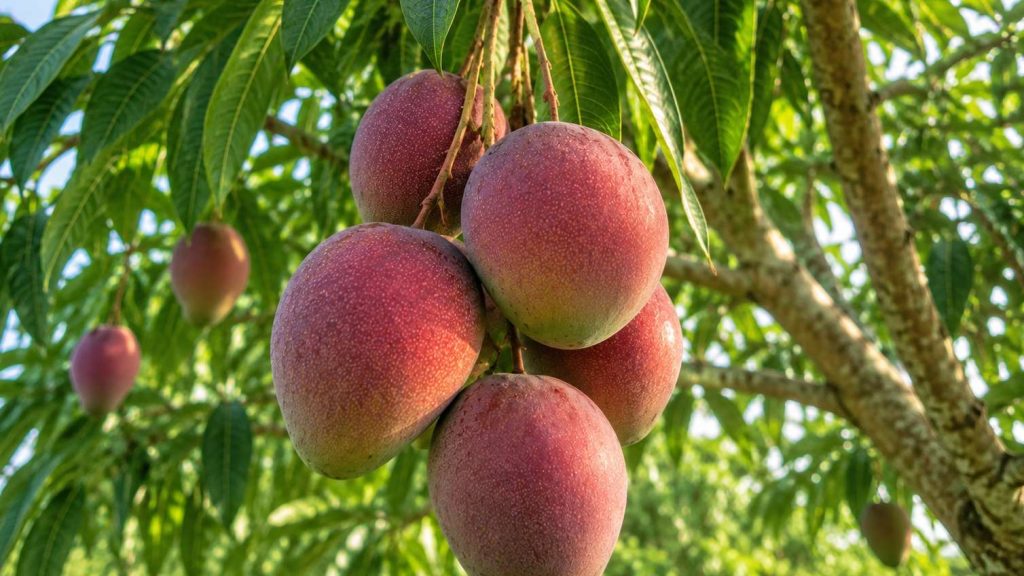
Depending on the variety, a ripe mango may remain mostly green, become yellow, develop orange tones, or show red coloring.
For this reason, it is better to check the texture and aroma rather than relying only on color.
4. The Fruit Looks Plump
As mangoes ripen, the flesh can become fuller and softer.
A ripe mango often looks slightly plump rather than extremely firm and angular.
However, this is only one sign and should be considered together with texture and smell.
Should You Put Unripe Mangoes in the Refrigerator?
If your mangoes are still hard and unripe, it is generally better to let them ripen at room temperature.
Refrigeration can slow the ripening process.
Once mangoes are ripe, however, placing them in the refrigerator can help slow further ripening and extend their usable life for a short period.
This means the best storage method depends on the stage of ripeness.
Unripe Mangoes
Keep them at room temperature until they reach the desired ripeness.
Ripe Mangoes
Move them to the refrigerator if you are not planning to eat them immediately.
How to Store Ripe Mangoes
Once your mangoes are ripe, proper storage can help preserve their flavor and texture.
If you plan to eat them within a day or two, you can keep them at room temperature.
For longer storage, place ripe mangoes in the refrigerator.
The cooler temperature can slow down further ripening.
Whole ripe mangoes may stay in good condition for several days when refrigerated, but always check the fruit before eating.
Can You Freeze Mangoes?
Yes, mangoes can be frozen.
Freezing is a useful option if you have more ripe mangoes than you can eat.
To freeze mangoes:
- Wash the mangoes thoroughly.
- Peel the skin.
- Remove the pit.
- Cut the flesh into cubes or slices.
- Place the pieces on a tray in a single layer.
- Freeze until firm.
- Transfer the frozen mango pieces to a suitable freezer container or bag.
Frozen mango can be used later in smoothies, desserts, sauces, and other recipes.
Keep in mind that freezing can change the texture of mangoes after they thaw. The fruit may become softer than fresh mango.
For this reason, frozen mango is often best used in smoothies or cooked recipes.
How to Ripen a Mango Overnight
If you are searching for how to ripen mangoes faster overnight, it is important to have realistic expectations.
A mango that is already close to ripe may soften significantly overnight when placed in a paper bag at room temperature.
You can place the mango in a paper bag with a ripe banana or apple to create a more concentrated ripening environment.
However, a very hard, immature mango may still need several days.
The ripening process cannot always be completed in just one night.
What Not to Do When Ripening Mangoes
While there are several effective ways to encourage mangoes to ripen, some methods are not recommended.
Do Not Use Excessive Heat
Do not place mangoes directly on a heater, in an oven, or in another extremely hot location.
High temperatures can damage the fruit and may cause uneven ripening.
Do Not Seal Mangoes in an Airtight Plastic Bag
An airtight environment can trap too much moisture and may encourage condensation and spoilage.
A paper bag is generally a better option because it allows some airflow.
Do Not Refrigerate Unripe Mangoes
Cold temperatures can slow the natural ripening process.
If you want your mangoes to ripen faster, room temperature is generally a better choice.
Do Not Rely Only on Skin Color
A mango can be ripe even if the skin remains green, depending on the variety.
Always consider softness and aroma as well.
Why Is My Mango Not Ripening?
Sometimes a mango seems to remain hard for a long time.
Several factors can affect the ripening process.
The Mango Was Harvested Too Early
Mangoes need to reach an appropriate stage of maturity before harvest to ripen properly.
If a mango was harvested too early, it may not develop the desired flavor or texture.
The Temperature Is Too Low
A cool environment can slow ripening.
Moving the mango to a moderately warmer location may help.
The Mango Variety Ripens Differently
Different mango varieties have different ripening characteristics.
Some may soften quickly, while others take longer.
The Fruit Is Already Spoiled
If the mango has developed an unpleasant odor, mold, or unusual texture, it may not be a ripening issue.
Instead, the fruit may be deteriorating.
Always inspect mangoes carefully before eating them.
Frequently Asked Questions About Ripening Mangoes
How do you ripen mangoes faster?
The easiest method is to place firm mangoes in a paper bag at room temperature. Adding a ripe banana or apple can help create an environment that encourages faster ripening.
How long does it take for mangoes to ripen?
Depending on the variety and maturity of the fruit, mangoes may take several days to ripen at room temperature. Check them daily for softness and a sweet aroma.
Can you ripen mangoes in the refrigerator?
The refrigerator generally slows the ripening process. For faster ripening, keep unripe mangoes at room temperature. Once they are ripe, refrigeration can help slow further ripening.
Does putting mangoes in a paper bag make them ripen faster?
A paper bag can help concentrate naturally produced ethylene around the fruit, which may encourage the mangoes to ripen faster.
Can a banana help ripen a mango?
Yes. A ripe banana produces ethylene, a natural plant hormone involved in fruit ripening. Placing a ripe banana and mango together in a paper bag may help speed up the process.
How do you know when a mango is ready to eat?
A ripe mango usually feels slightly soft when gently pressed and develops a sweet, fruity aroma. Skin color varies by variety, so it should not be the only way you judge ripeness.
Can you ripen a mango overnight?
A mango that is already close to ripe may soften significantly overnight in a paper bag at room temperature. However, a very firm mango may need several more days.
Should mangoes be kept in the dark to ripen?
Mangoes do not need darkness to ripen. A room-temperature location away from direct sunlight and excessive heat is generally suitable.
What should I do with overripe mangoes?
Overripe mangoes can often be used in smoothies, sauces, desserts, jams, or frozen for later use, as long as they do not show signs of spoilage.
Final Thoughts
If you have been wondering how do you ripen mangoes faster, the simplest answer is to give the fruit the right environment.
Keep unripe mangoes at room temperature and consider placing them in a paper bag. For a faster approach, add a ripe banana or apple to the bag. Check the mangoes every day and look for the key signs of ripeness: a slightly soft texture and a pleasant fruity aroma.
Once your mangoes are ripe, enjoy them fresh or store them in the refrigerator to slow further ripening. If you have more mangoes than you can eat, cutting and freezing the fruit is another convenient option.
With a little patience and the right technique, you can turn firm, unripe mangoes into sweet and juicy fruit ready to enjoy at home.
Whether you are growing mango trees in your garden, buying fresh mangoes from a local market, or simply trying to make your fruit ripen faster, understanding the natural ripening process can help you get the best flavor and texture from every mango.
GardenGuideHub – Grow Better. Live Greener.